10 cheetah Facts Worth Losing Sleep Over
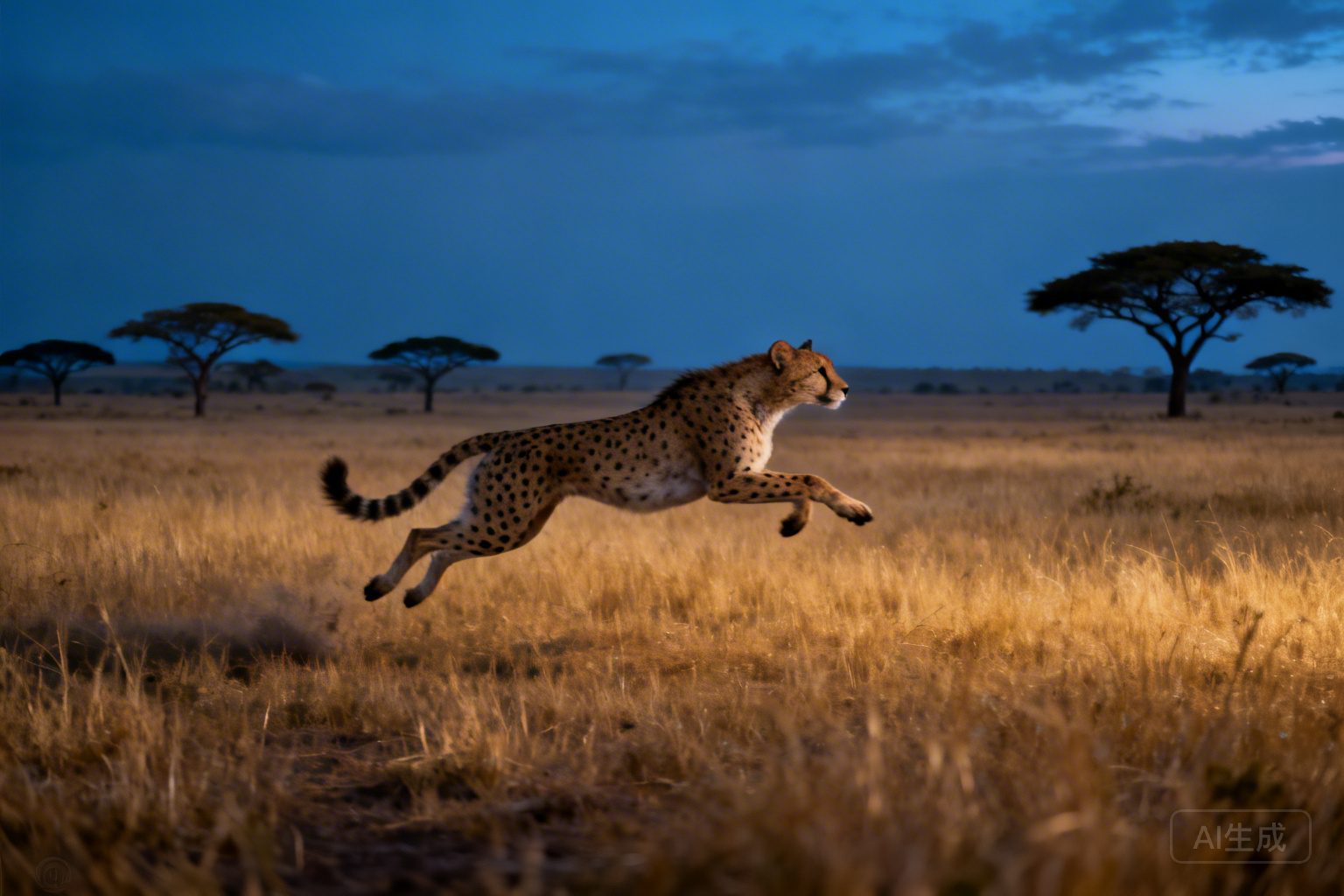
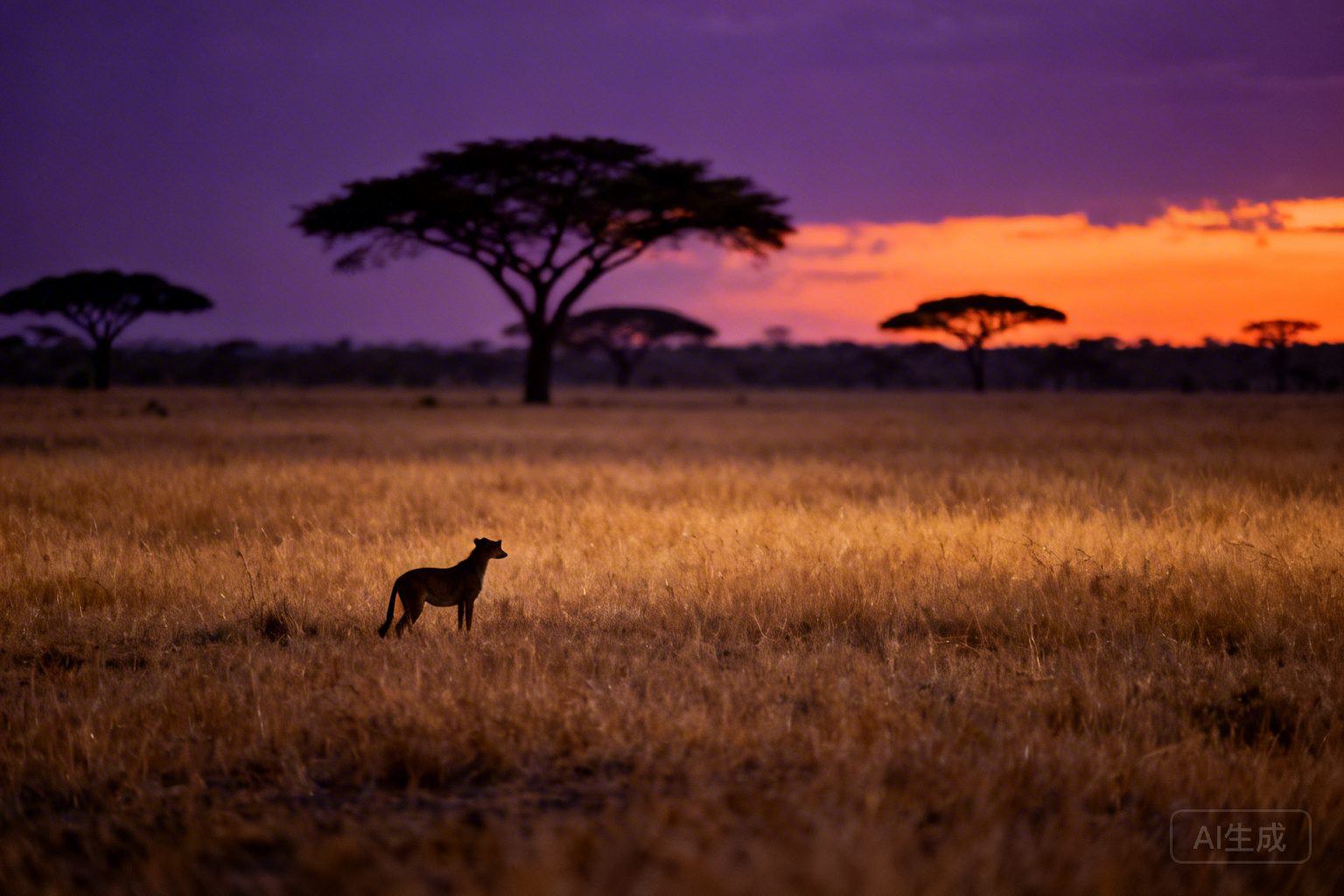
Have you ever tried to sprint so fast that your feet barely touched the ground, only to realize your lungs were burning after just ten yards? Now, imagine doubling that speed, then tripling it, until you are a blur of gold and black spots tearing across the African savanna at seventy miles per hour. We often think of the cheetah as just another big cat, but in reality, they are nature’s ultimate dragsters—built with a physiological precision that would make a Formula 1 engineer weep with envy. These slender predators aren’t just fast; they are living masterclasses in aerodynamics, evolutionary niche-filling, and sheer biological determination. When you dive into the facts about cheetah populations and their unique lifestyles, you realize they are far more fragile and fascinating than their “fastest land animal” title suggests.
The cheetah stands alone in the animal kingdom, quite literally, as the only extant member of the genus Acinonyx. While lions rely on brute strength and leopards on stealthy ambush tactics, the cheetah has gambled everything on a high-stakes “speed-at-all-costs” evolutionary strategy. This specialized lifestyle comes with a set of trade-offs that are almost hard to believe, from their semi-retractable claws that act like running spikes to a respiratory system that functions like a high-performance turbocharger. Why do they have those iconic black “tear tracks” on their faces, and why can’t they roar like their cousins? Exploring these fun facts about cheetah biology reveals a creature that is perpetually living on the edge of its physical limits, fighting for survival in a world where being the fastest isn’t always enough to stay at the top of the food chain.
In this deep dive, we are going beyond the surface-level trivia you learned in grade school to uncover the gritty, high-octane details of how these cats actually function. We will explore the physics of their record-breaking sprints, the surprising secrets of their social lives, and the heartbreaking challenges they face in the modern wild. Whether it is their specialized “dog-like” paws or their strange relationship with emotional support animals in captivity, these facts about cheetah behavior will change the way you look at the African plains forever. Are you ready to see what happens when evolution decides to build a biological rocket? Let’s jump into the ten most mind-blowing realities about the world’s most athletic feline.
The Biological Braking System
The cheetah’s tail isn’t just a fluffy accessory; it is a muscular, heavy-duty rudder that allows them to make sharp turns at highway speeds. Think about the physics of a car taking a 90-degree turn at 60 mph—it would flip instantly without massive downforce and precision steering. According to National Geographic, when a cheetah is in mid-pursuit of a zig-zagging gazelle, it uses its long, flat-shaped tail as a counterweight to prevent spinning out or losing balance. By swinging the tail in the opposite direction of the turn, they can pivot their entire body weight in a split second, maintaining their grip on the dusty earth while their prey tries every trick in the book to escape. Can you imagine the sheer core strength required to whip a five-foot body around a corner without breaking a single bone?
This “rudder” effect is so powerful that it allows the cheetah to stay locked onto a target even when the target is performing erratic maneuvers. While most predators would have to slow down significantly to change direction, the cheetah’s tail provides the necessary torque to keep the momentum going. Interestingly, the tail also ends in a bushy white tuft, which researchers believe helps cubs follow their mothers through tall grass, acting like a flickering beacon. It is a perfect example of facts about cheetah anatomy where one body part serves both a high-performance mechanical function and a vital social one. Without this stabilizing appendage, the cheetah would be nothing more than a fast runner that could only travel in a straight line—hardly an effective way to catch dinner in the wild.