10 panthers Facts So Weird They Feel Made Up
Have you ever looked into the darkness of a dense jungle and felt like the shadows were staring back? That heart-pounding sensation is exactly what happens when you cross paths with nature’s ultimate stealth operative. These obsidian hunters are some of the most misunderstood creatures on our planet, draped in mystery and deep-seated myths that date back centuries.
While we often use the name to describe a specific animal, the reality behind these “ghosts of the forest” is far more complex and scientifically fascinating. From the humid Amazon basin to the rugged mountains of Asia, these predators have mastered the art of invisibility. Exploring facts about panthers reveals a world where genetics and evolution create a perfect, silent killing machine.
Are you ready to dive into the secrets of these velvet-coated warriors and learn what actually makes them tick? We are about to peel back the curtain on their incredible biological superpowers and their strange, hidden history. Here are 10 fun facts about panthers that prove these big cats are even more impressive than the legends suggest. Let’s get started!
The Great Biological Identity Crisis
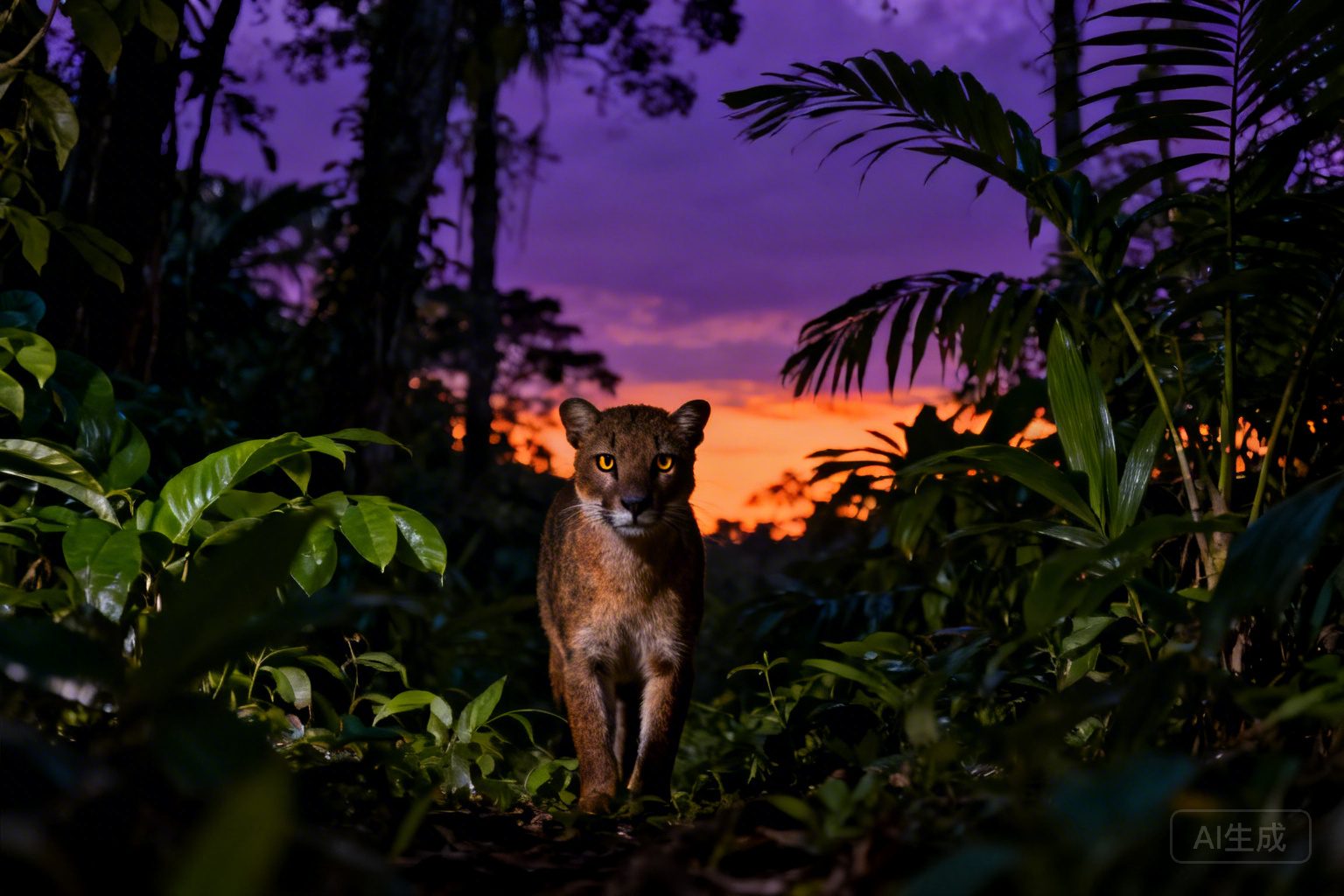
The first thing you need to know is that “panther” isn’t actually a distinct species of cat. When people talk about panthers, they are usually referring to a leopard or a jaguar with a rare genetic condition. According to National Geographic, the term “panther” is an umbrella name for any big cat in the Panthera genus that displays a dark coat.
Imagine if humans were classified by their hair color instead of their DNA; that is essentially what is happening here. In Africa and Asia, a black panther is actually a melanistic leopard, while in Central and South America, it is a melanistic jaguar. This biological quirk means two siblings can look completely different despite being the same species.
This is one of the most essential facts about panthers because it changes how we view their conservation. Since they aren’t their own species, protecting panthers means protecting the specific leopards and jaguars that carry these unique genes. Have you ever wondered why we don’t see black lions or tigers? It turns out that specific mutation is incredibly rare elsewhere.