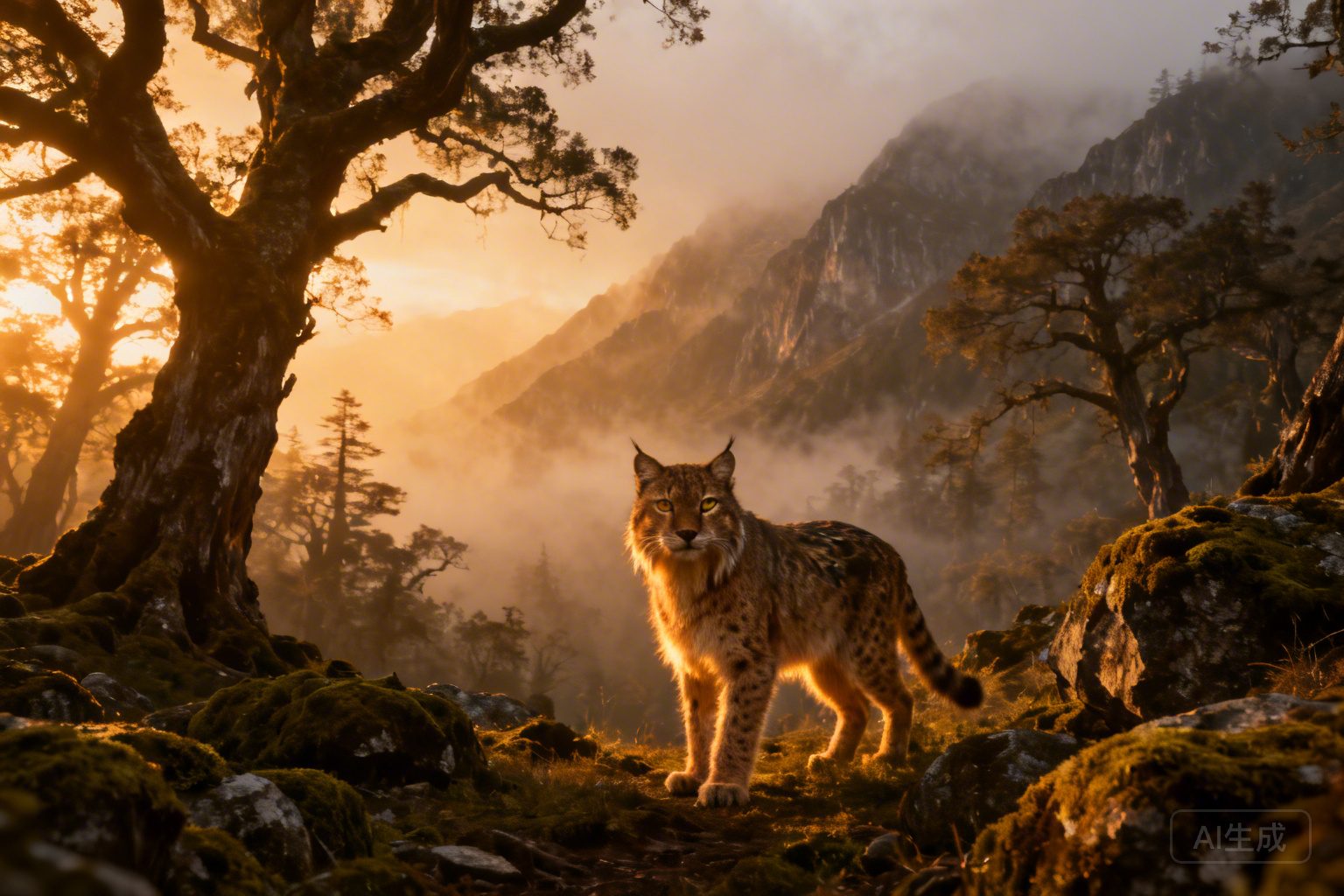
Here’s Why These 10 panthers Secrets Are Blowing Minds
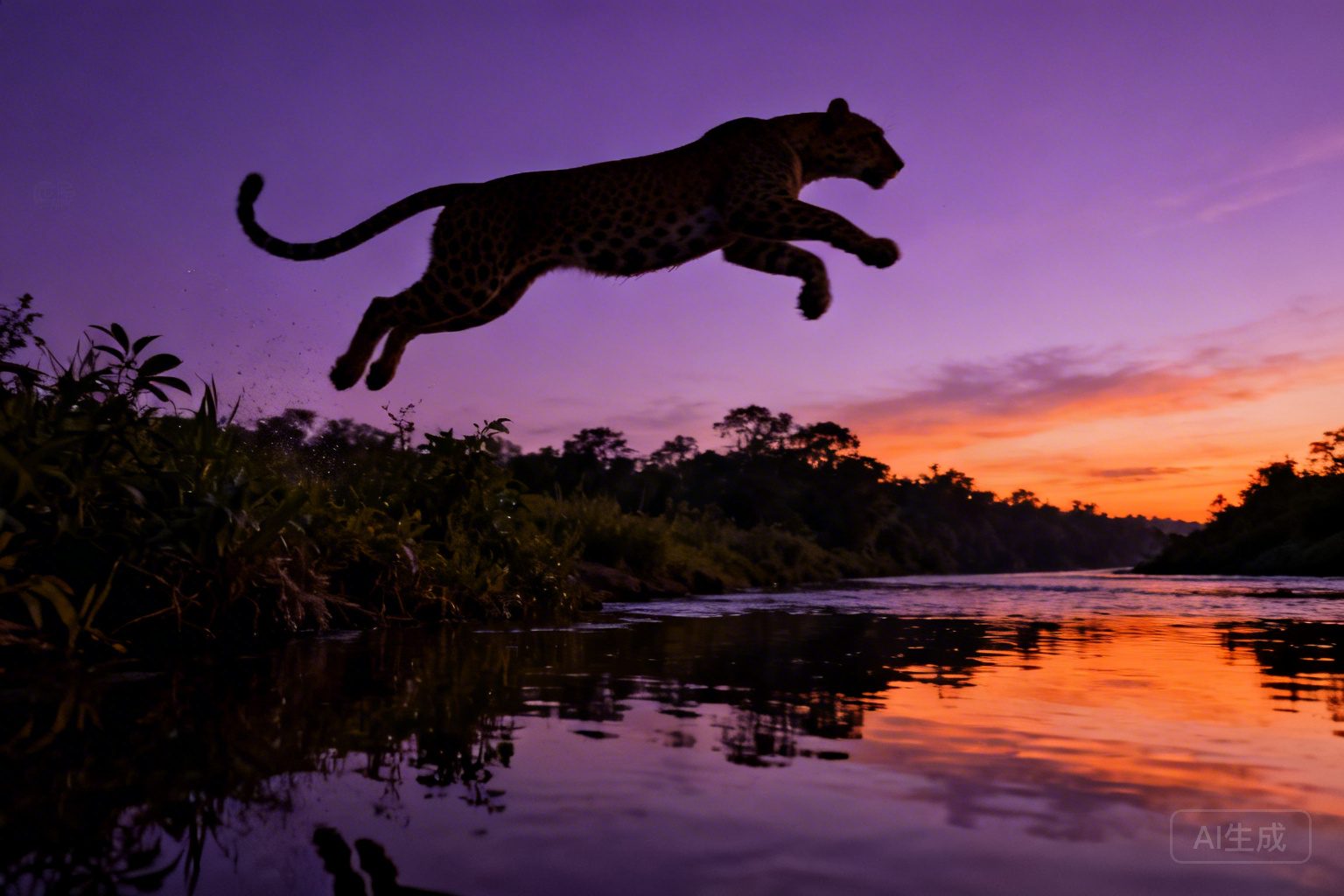
Imagine standing in a pitch-black rainforest at midnight, hearing a low, guttural growl vibrating through your chest before seeing two glowing emerald eyes piercing the darkness. This isn’t a scene from a Hollywood thriller; it is a Tuesday night for the world’s most elusive predator. The mysterious black panther has captivated our collective imagination for centuries, blending myth with reality.
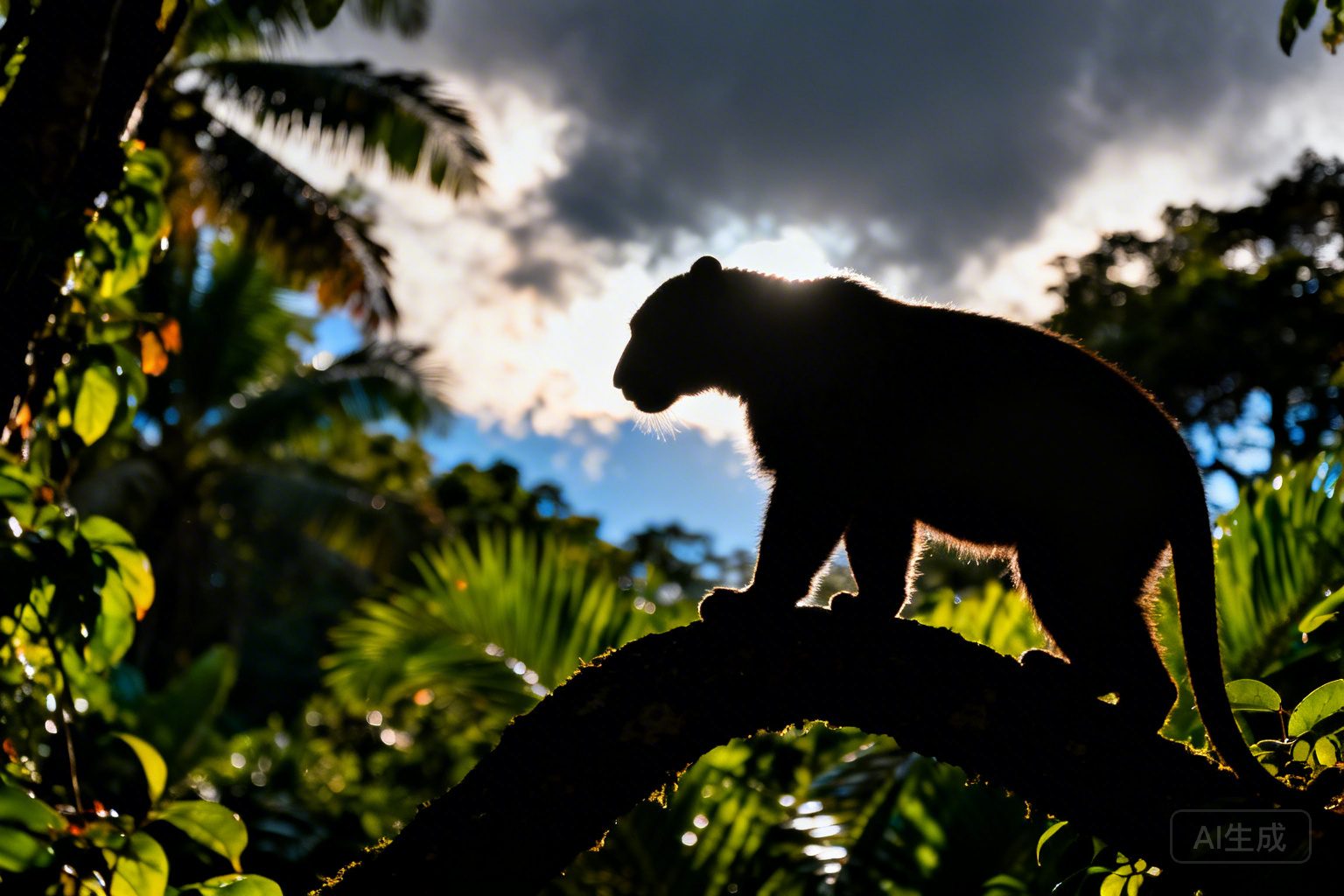
While we often treat them as a single species, the truth behind these “ghosts of the forest” is far more complex and scientifically fascinating. Learning the actual facts about panthers reveals a world of genetic anomalies, incredible physical adaptations, and survival tactics that seem almost supernatural. They are masters of the shadows, ruling over diverse terrains from dense jungles to snowy peaks.
Are you ready to dive into the hidden world of these melanistic marvels and separate internet fiction from biological reality? From their secret “ghost spots” to their unmatched climbing abilities, we are counting down the most incredible fun facts about panthers that will change how you see big cats. Let’s explore the shadow-dwelling secrets of nature’s most effective and stealthy apex predators.
The Secret Identity Behind the Mask
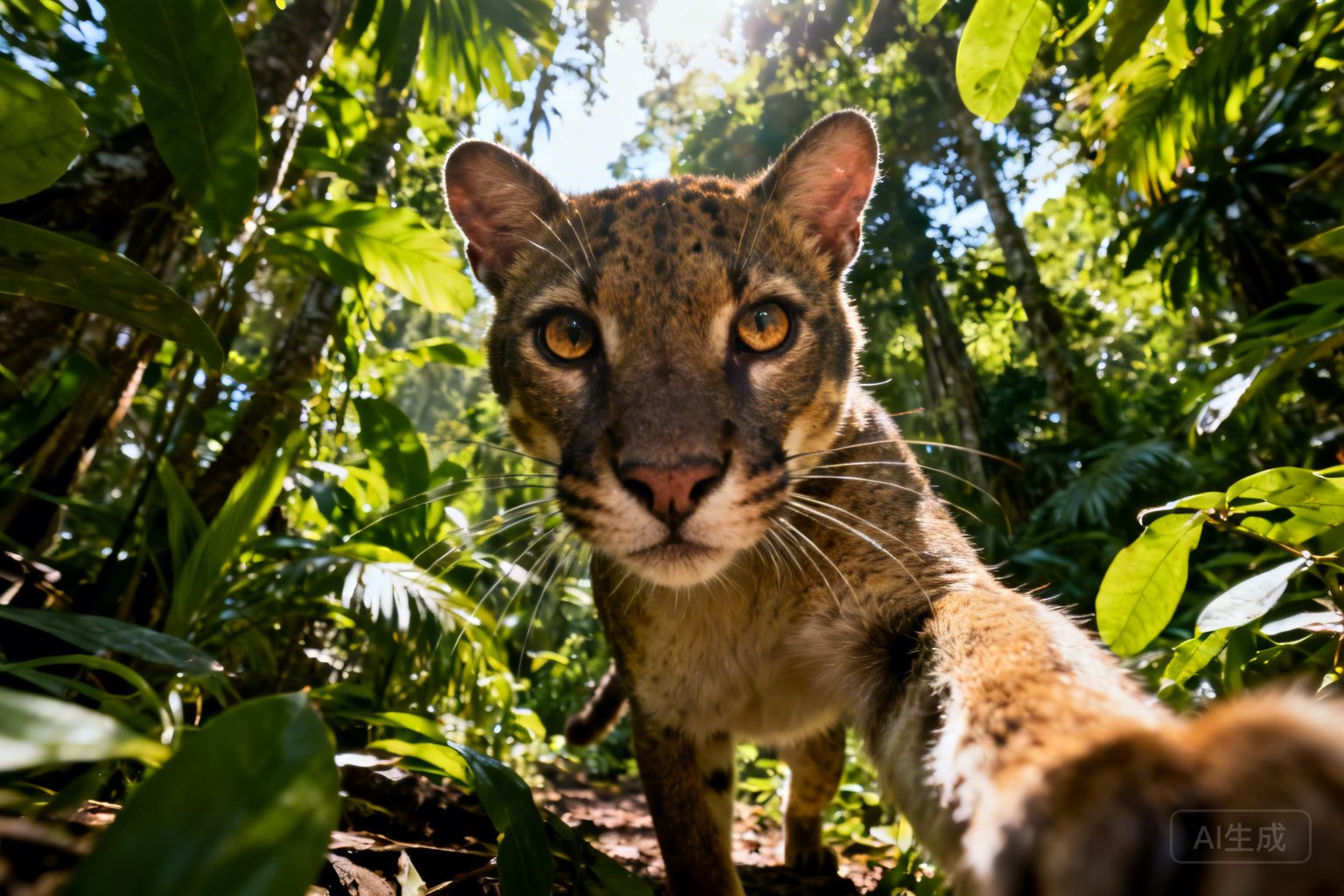
The black panther is not actually a distinct species of big cat but rather a color variant. When people search for facts about panthers, they are often surprised to find that “panther” is an umbrella term for any melanistic large cat. In Asia and Africa, a panther is a leopard, while in the Americas, it is a jaguar.
This biological phenomenon occurs due to a genetic mutation that causes an overabundance of dark pigment in the skin and fur. Think of it like a reverse-albino condition where the dark tones take over the entire coat. National Geographic explorers have documented this across various continents, proving that black panthers are just darker versions of familiar cats.
Can you imagine how confusing it was for early explorers who thought they had discovered an entirely new animal? Because they look so radically different from their spotted siblings, they were historically classified as separate beasts. However, science now confirms that a single litter of cubs can actually contain both spotted and solid black individuals.