Imagine If You Knew These 10 Crazy axolotls Things
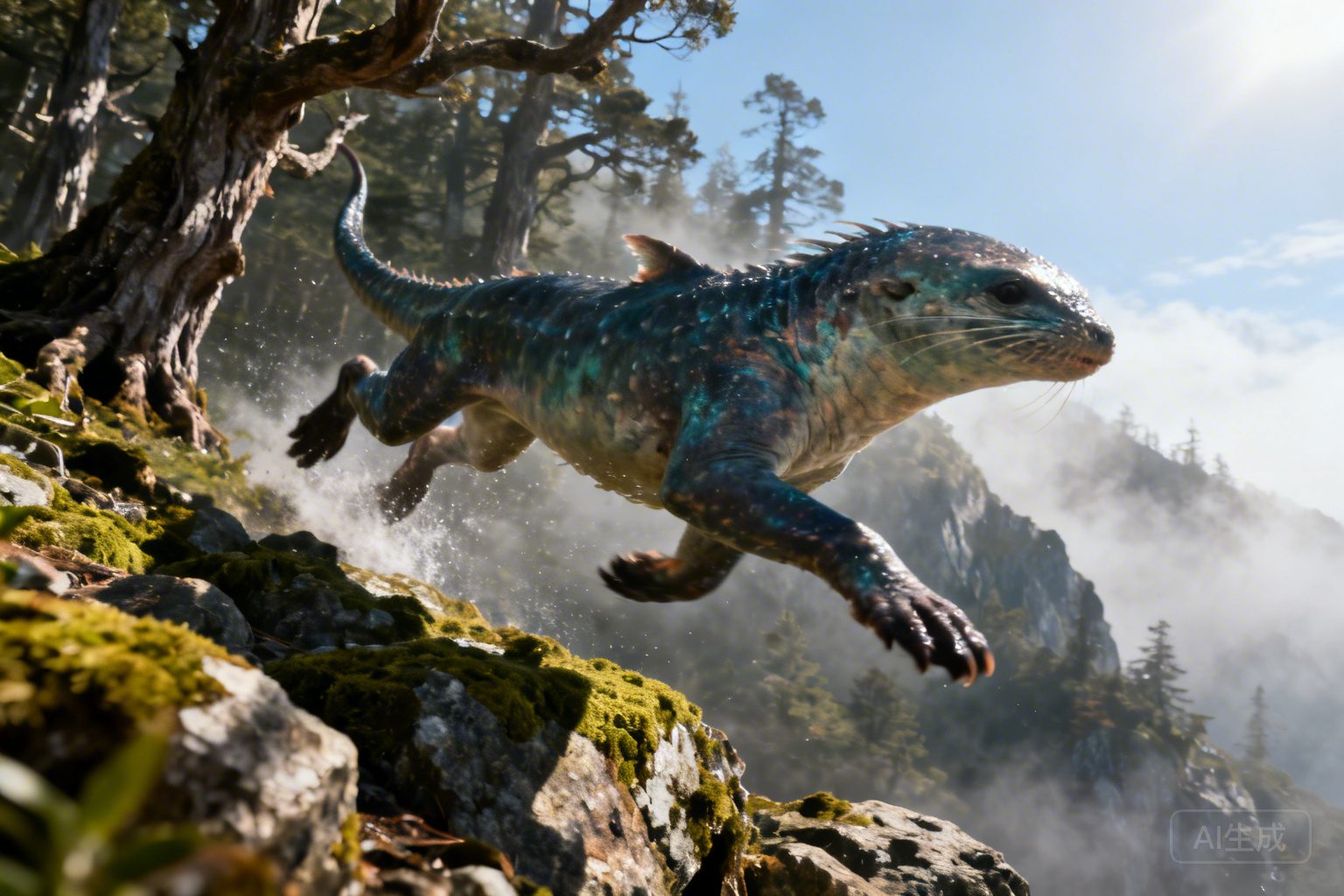
Have you ever seen a creature that looks like a pink dragon decided to stay a baby forever? Meet the axolotl, the “Peter Pan” of the animal kingdom that has captured the internet’s heart. These smiling amphibians are more than just cute faces; they are biological marvels with abilities that sound like they belong in a Marvel movie script.
While most salamanders grow up and move to land, axolotls choose to keep their feathery external gills and stay underwater. These fun facts about axolotls reveal a hidden world beneath the surface of Mexico’s ancient canals. Scientists are obsessed with them, and once you see their healing powers, you will understand why they are so vital to our medical future.
Are you ready to dive into the mystery of these aquatic legends? We have rounded up the most mind-blowing facts about axolotls that will change how you look at nature. From their ancient Aztec origins to their incredible DNA, here are 10 crazy things you probably didn’t know. Let’s get started on this underwater journey to explore these unique, smiling wonders of the deep!
The Ultimate Fountain of Youth
Axolotls are the ultimate masters of neoteny, meaning they never technically grow up. While other amphibians like frogs and salamanders undergo a full metamorphosis to live on land, the axolotl stays in its larval form for its entire life. It’s like a teenager who decides to keep their baby teeth and live in the pool forever. Isn’t that a strange way to live?
This unique biological trait is one of the most famous facts about axolotls found in scientific journals. Because they retain their dorsal fins and external gills, they remain fully aquatic while reaching sexual maturity. Evolution essentially hit the “pause” button on their development, allowing them to thrive in their specific environment without the need to ever set foot on dry, dangerous land.
According to Smithsonian researchers, this lifestyle is highly efficient for surviving in the high-altitude lakes of Mexico. By skipping the energy-draining process of transforming their lungs and limbs for land, they can focus all their resources on breeding and feeding. It’s a genius survival strategy that has worked for thousands of years. But what happens if the environment changes? The answer is quite surprising.