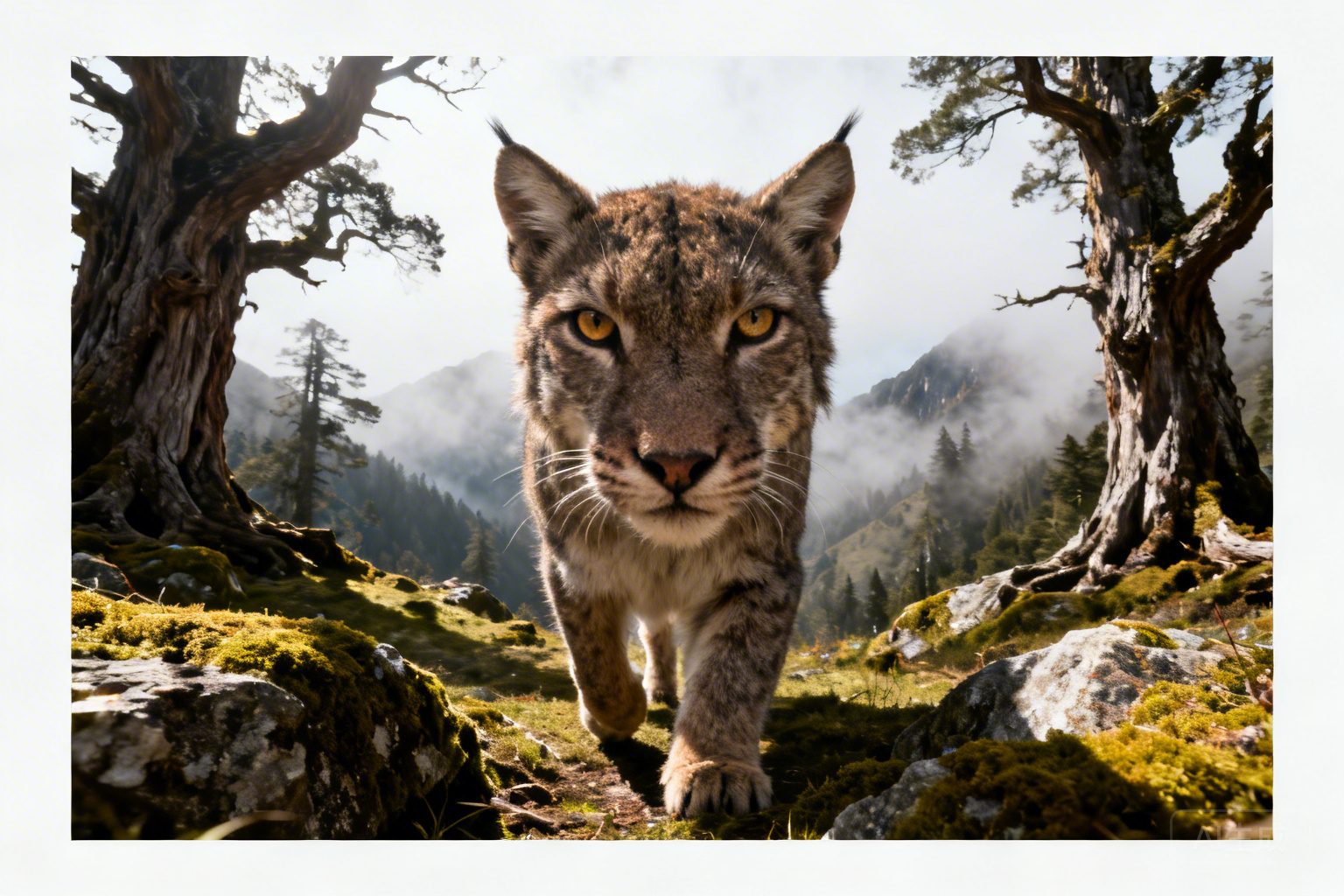
Imagine If You Knew These 10 Crazy cheetah Things
Imagine standing on a racetrack, staring down a creature that can out-accelerate a Ferrari without even breaking a sweat. It is hard to believe, but the cheetah is nature’s ultimate speed machine, designed from the ground up for pure velocity. These spotted wonders are more than just fast; they are a masterpiece of biological engineering and tactical evolutionary brilliance.
If you think you know everything about these big cats, prepare to have your mind totally blown. These facts about cheetah show why they are the most specialized hunters on the African savanna. From their unique biological brakes to their sophisticated vocalizations, there is so much more to them than just a high-speed sprint across the dusty golden plains.
Are you ready to dive into the high-octane world of the planet’s fastest land mammal? We have rounded up some truly mind-blowing and fun facts about cheetah that will change how you view these sleek predators. Let us buckle up and explore the incredible secrets of the cheetah’s life, from their supercharged hearts to their surprisingly social family lives.
Zero to Sixty in Record Time
When it comes to raw acceleration, the cheetah is truly in a league of its own. In just three seconds, a cheetah can go from a dead standstill to a blistering sixty miles per hour. That is faster than most high-end sports cars on the market today! Their entire body is essentially a biological rocket ship designed for speed.
According to National Geographic, their bodies have evolved specifically to handle the immense physical stress of these high-velocity bursts. They possess an oversized heart and massive lungs that pump oxygen-rich blood to their muscles with incredible efficiency. This specialized cardiovascular system allows them to maintain an explosive pace that leaves every other land animal stuck in the dust.
Have you ever wondered how they manage to stay so stable while moving that fast? It is all about their flexible spine, which acts like a giant spring, stretching and contracting to maximize every single stride. This elasticity allows them to cover up to twenty-five feet in a single leap, making their movement look like a blur of motion.