Imagine If You Knew These 10 Crazy gorilla Things
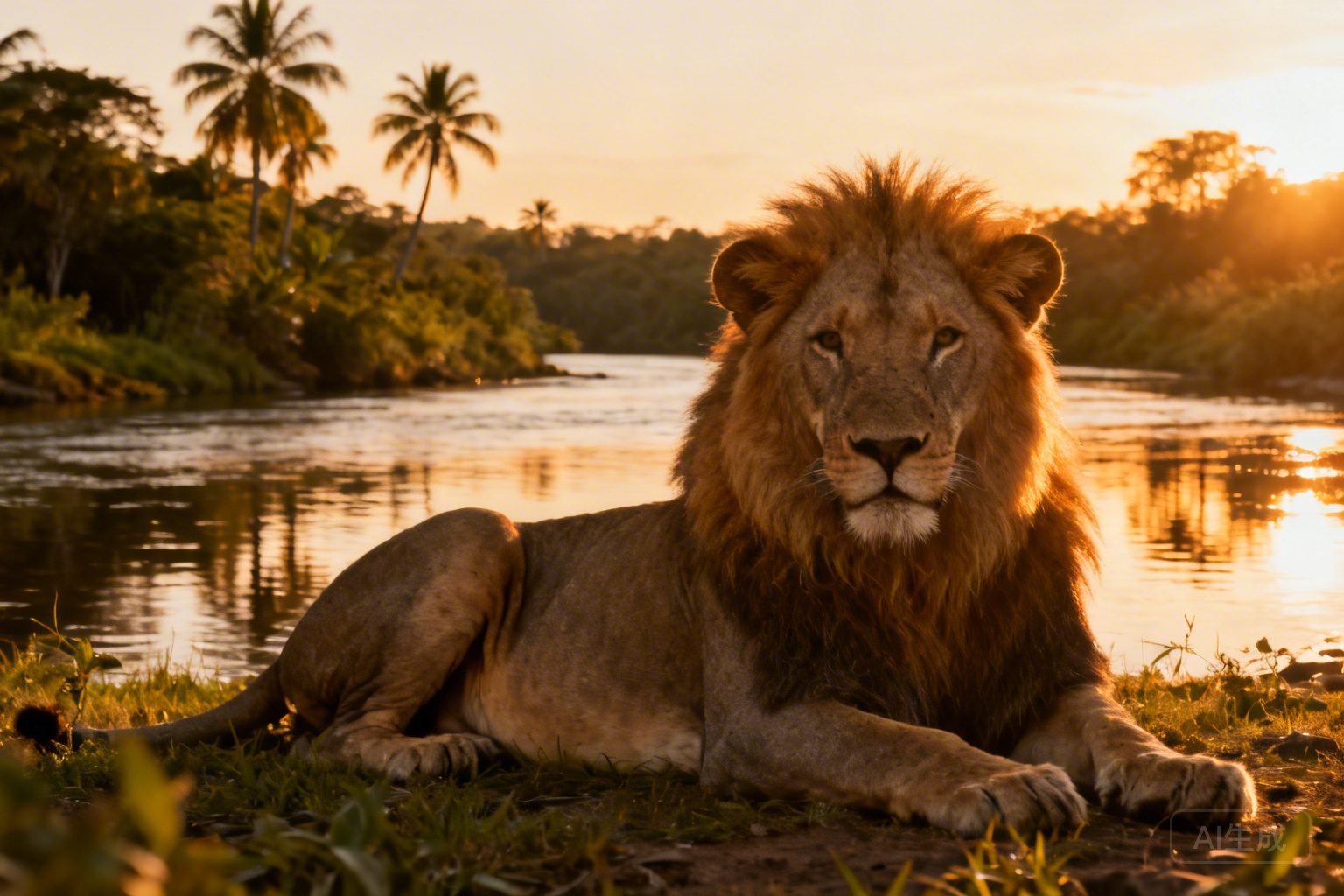
Have you ever looked into the eyes of a giant and felt a strange, soul-stirring sense of recognition? When you encounter a gorilla, you aren’t just looking at a wild animal; you are peering into a biological mirror reflecting our own ancient history. These magnificent primates represent the pinnacle of raw power and surprising gentleness in the African rainforest.
There are so many fascinating facts about gorilla biology that challenge everything we thought we knew about the animal kingdom. From their complex social structures to their incredible physical feats, gorillas continue to shock researchers and tourists alike. Why do they share 98% of our DNA yet possess strength that could easily crush a modern vehicle without breaking a sweat?
Today, we are diving deep into the emerald forests of the Congo and Rwanda to uncover the truth. Prepare to have your mind blown as we reveal ten epic fun facts about gorilla life that you probably never learned in school. Get ready to meet the real Kings of the Jungle in a way you have never seen them before.
The Genetic Mirror of Our Souls
Gorillas are our closest living relatives alongside chimpanzees, sharing a staggering 98.3% of their genetic code with human beings. This astounding biological link means they experience emotions, learn sign language, and even catch the same common colds that we do. It is almost haunting to realize how much of our basic blueprint is shared with these massive, hairy forest dwellers.
According to National Geographic, this genetic overlap explains why gorillas have unique fingerprints, just like you and me. If a gorilla were to touch a glass surface, forensic scientists could identify them using the same methods used on human suspects. Can you imagine a world where every individual primate has a completely unique touch that lasts their entire life?
This deep connection goes beyond just physical traits; it extends into the very way their brains process the world around them. When we study facts about gorilla DNA, we are essentially looking at a version of ourselves that took a different evolutionary path. It raises the question: what would humans be like if we had stayed in the protective green canopy?