Imagine If You Knew These 10 Crazy panthers Things
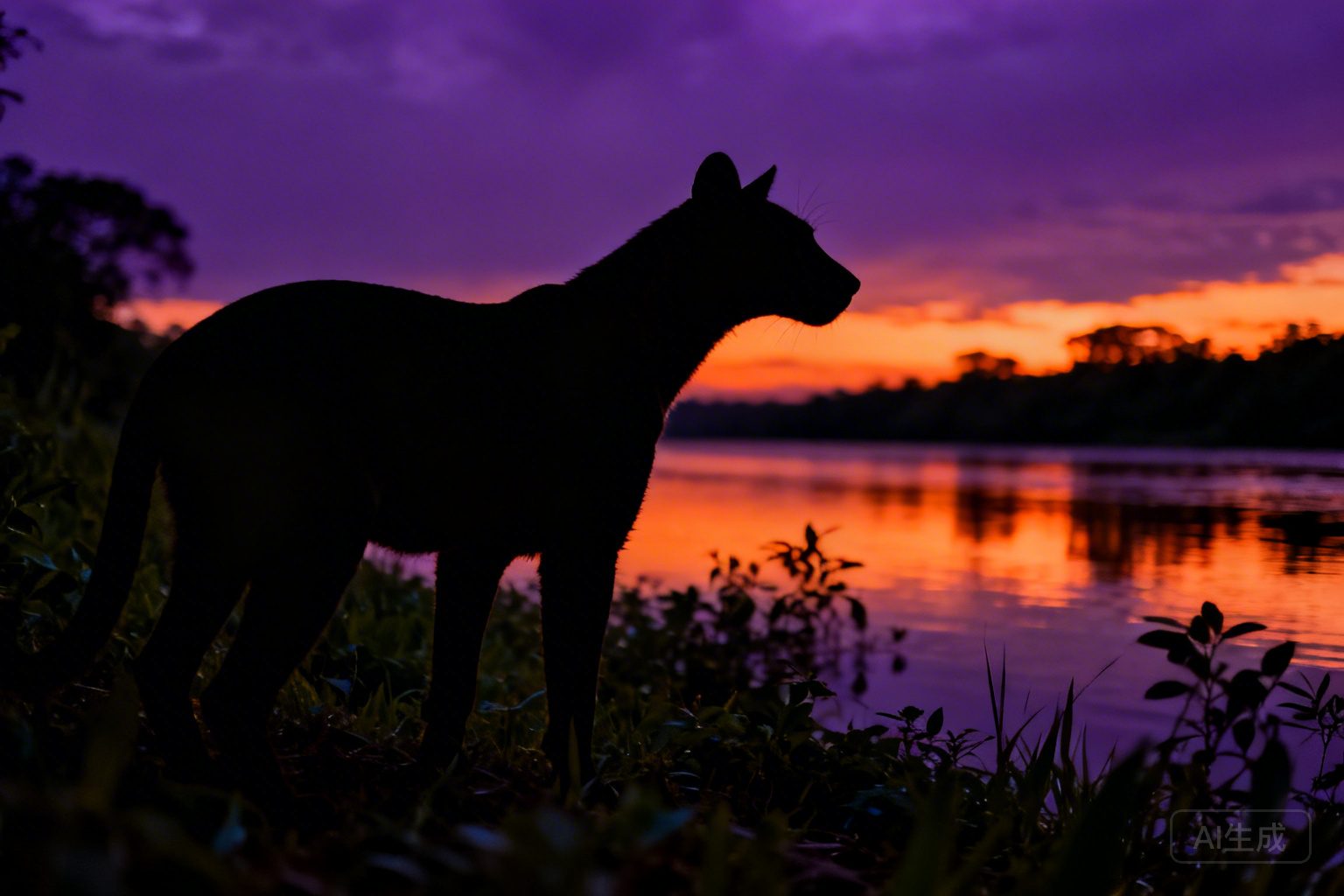
Picture a moonless night in the dense Amazon rainforest where the only sound is the rhythmic pulse of insects. Suddenly, a pair of golden eyes pierces the shadows, belonging to a predator so stealthy it’s practically a ghost. We are talking about the ultimate shadow hunters of the wild, and these facts about panthers will totally change how you see these big cats.
Many people believe a panther is a single species, but the reality is far more complex and scientifically fascinating. These sleek, powerful animals are actually color variants of leopards and jaguars, carrying a genetic secret that turns their fur into midnight silk. Understanding these fun facts about panthers helps us appreciate the incredible diversity found within the big cat family and their unique evolution.
Are you ready to dive into the mystery of the “ghost of the forest” and uncover their hidden world? From their specialized hunting tactics to their surprising swimming abilities, we’ve gathered the most mind-blowing facts about panthers ever recorded. Get comfortable as we peel back the curtain on these elusive predators; you won’t believe what these powerful felines are actually capable of doing.
The Myth of the Biological Species
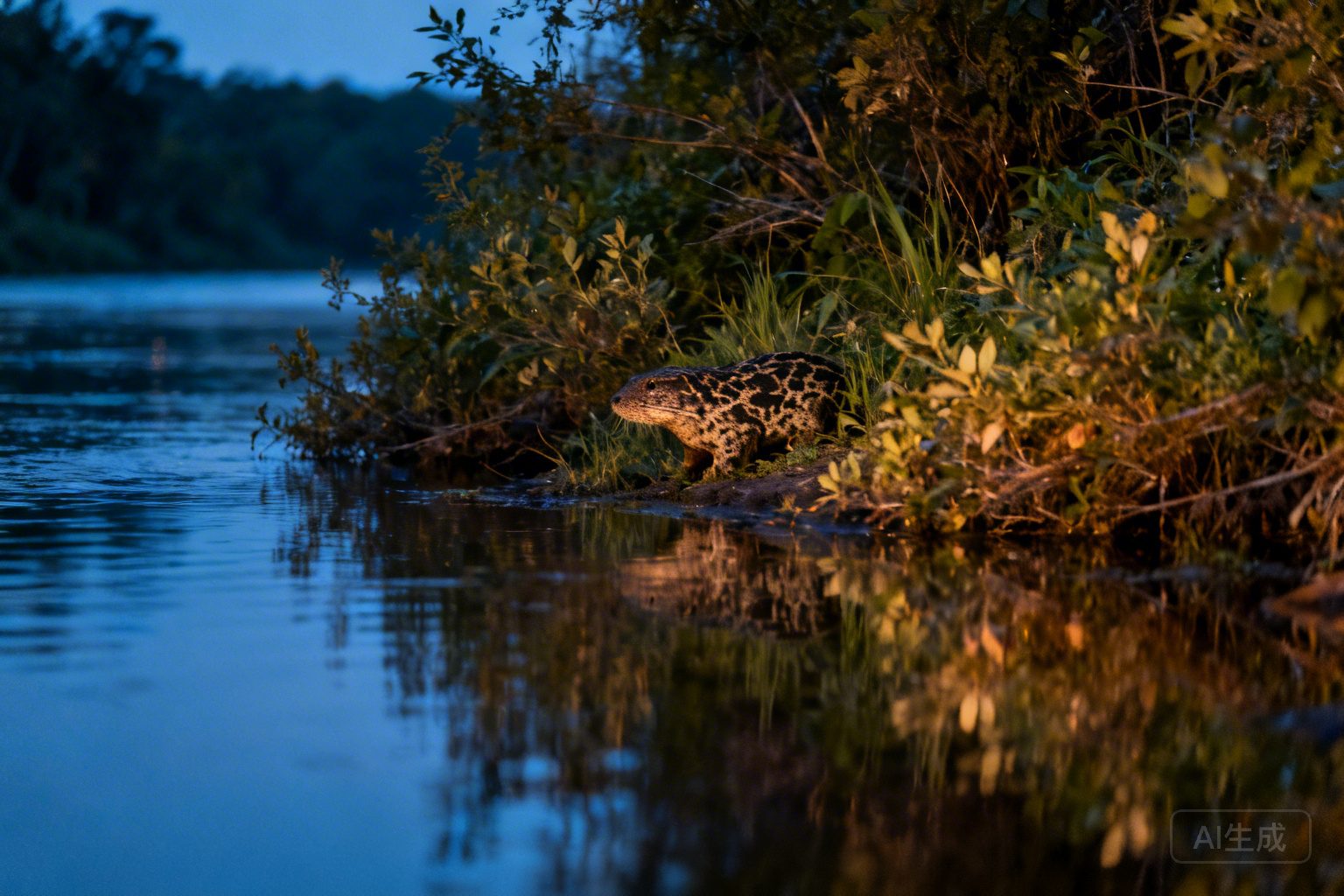
The most shocking thing about panthers is that they aren’t actually a distinct species at all. When we talk about these animals, we are usually referring to melanistic leopards in Africa and Asia or melanistic jaguars in Central and South America. This genetic condition creates an excess of dark pigment, essentially giving these cats a permanent, built-in camouflage suit for the deep, dark jungle.
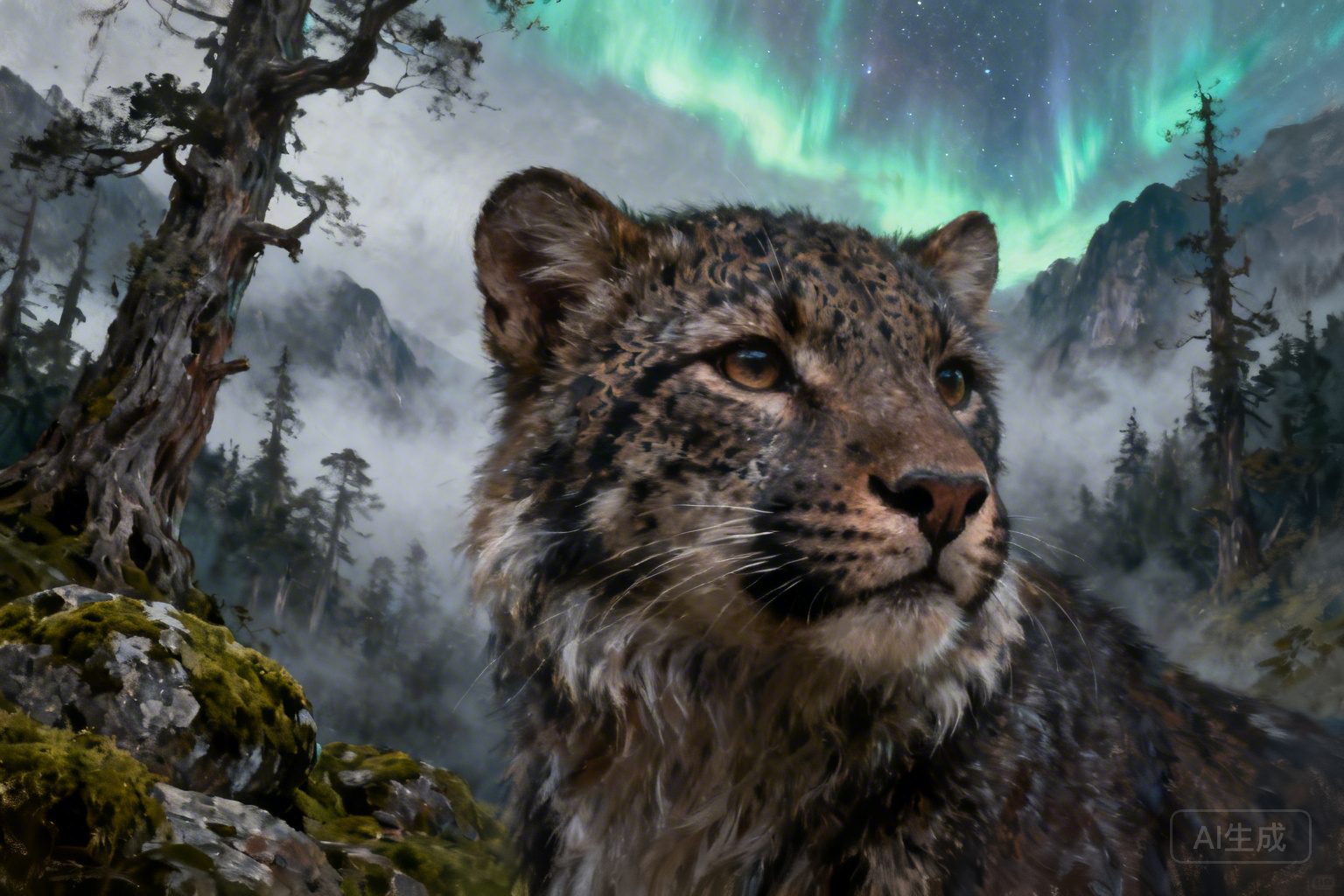
Think of it like a human having red hair; it is a rare but natural variation within a specific group. Scientists at National Geographic note that while they look solid black from a distance, they still have spots. If you catch a panther in the right light, you can see their “ghost rosettes” shimmering beneath the dark surface. Isn’t it wild how nature hides patterns in plain sight?
This means that a “black panther” in India is biologically different from a “black panther” in Brazil. One is Panthera pardus and the other is Panthera onca, yet they share the same iconic name. These facts about panthers highlight why taxonomy is so important for conservationists. Without distinguishing between these species, we couldn’t properly protect the diverse environments where these shadowy hunters actually live.