Imagine If You Knew These 10 Crazy platypus Things
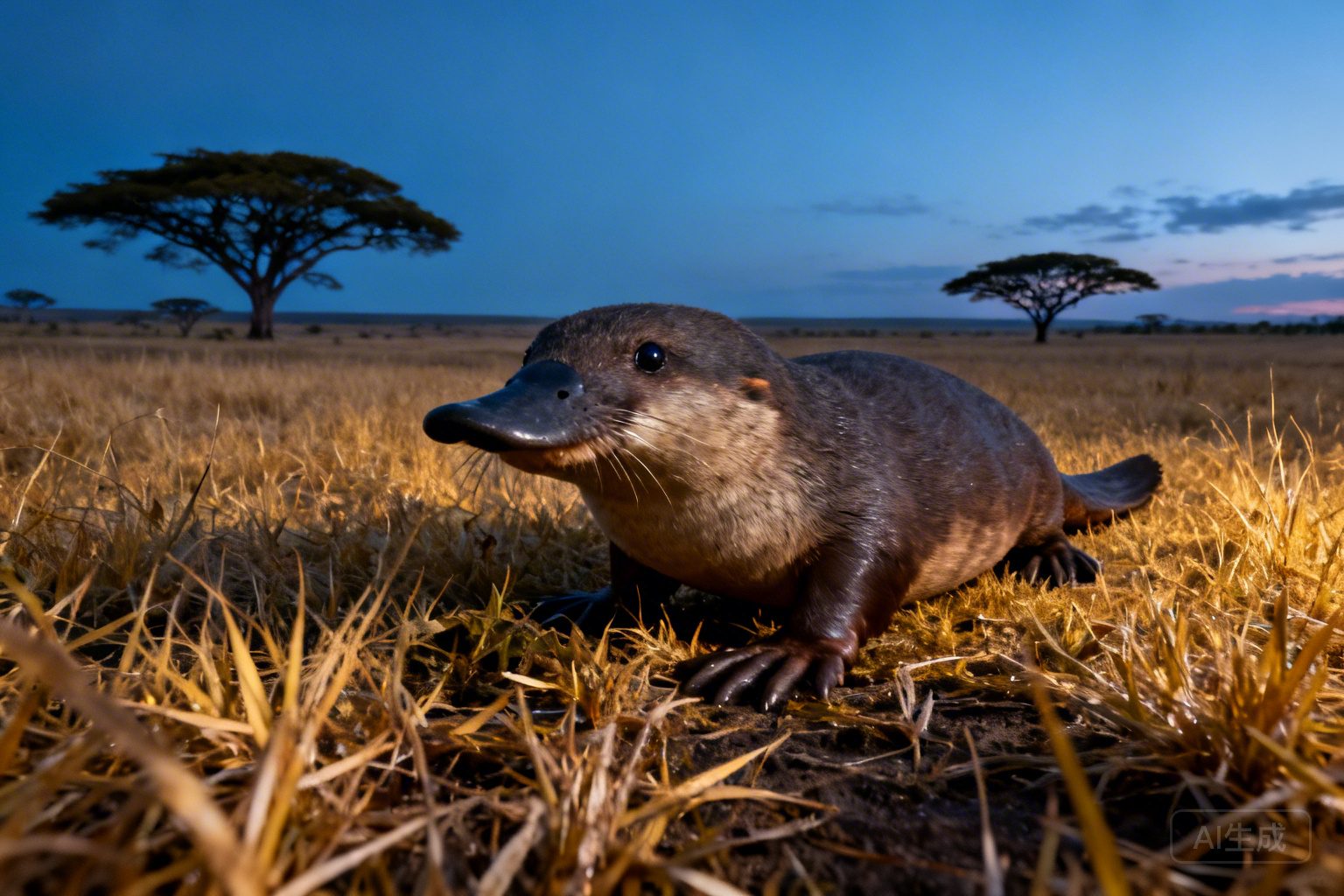
If you were to travel back to 1799 and hand a preserved platypus specimen to a British scientist, they wouldn’t thank you; they’d grab a pair of scissors to find the stitches. When the first skin arrived at the British Museum, legendary zoologist George Shaw was so convinced it was a “Frankenstein” taxidermy prank—a duck’s beak sewn onto a beaver’s body—that he literally tried to cut the “beak” off. Can you imagine the sheer confusion of looking at a creature that defies every rule of biology you’ve ever learned? It’s easily one of the most bizarre sights in the animal kingdom, and these facts about platypus only get weirder the closer you look. They are the ultimate evolutionary glitch, a biological “Ctrl+C, Ctrl+V” of three different animal classes that somehow survived the test of time against all odds.
Living exclusively in the freshwater systems of eastern Australia and Tasmania, the platypus serves as a living fossil that bridges the gap between reptiles, birds, and mammals. Scientists at the University of Adelaide have noted that while they are technically mammals, they possess a genome that is a chaotic mashup of snake venom, bird egg-laying genes, and mammalian lactation. It’s this “everything everywhere all at once” DNA that makes fun facts about platypus a favorite topic for biologists and nature enthusiasts alike. Why does an animal with fur lay eggs? Why does it have a bill that can “see” electricity? It’s like nature had a bunch of leftover parts at the end of the week and decided to throw them all into one pond to see if it would float. Spoiler alert: it did, and it’s spectacular.
In this deep dive, we are going to explore the hidden superpowers of this Australian icon that go far beyond its funny-looking face. You’ll learn about their secret venomous daggers, their lack of a stomach, and the glowing “disco” fur that was only discovered by accident a few years ago. If you thought you knew what a mammal was supposed to look like, prepare to have your reality shifted. These amazing facts about platypus reveal a creature that isn’t just a quirky evolutionary leftover, but a highly sophisticated hunter perfectly adapted to its environment. Ready to meet the animal that made scientists question everything they knew about the natural world? Let’s jump into the murky waters of the Australian bush and uncover the secrets of the world’s most confusing masterpiece.
The Mammal That Lays Leathery Eggs
The platypus is one of only five extant species of monotremes, which are the only mammals on Earth that lay eggs instead of giving birth to live young. While almost every other mammal you know—from your pet cat to a blue whale—follows the standard placental or marsupial reproductive path, the platypus sticks to its ancient roots. According to the Australian Museum, a mother platypus will retreat into a complex nesting burrow to lay one or two small, leathery eggs that look more like lizard eggs than chicken eggs. She then curls her tail around them to keep them warm for about ten days. It’s a bizarre sight that makes you wonder: at what point did evolution decide this was the way to go? This egg-laying trait is a direct link to the reptilian ancestors of all mammals, making the platypus a literal window into a world that existed over 160 million years ago.
Once the tiny, bean-sized “platypups” hatch, the weirdness continues because the mother has no nipples to feed them. Instead, she secretes milk directly through her skin onto specialized patches on her abdomen, essentially “sweating” milk into pools for the babies to lap up. This unique nursing method is just another one of those facts about platypus that keeps researchers up at night. Imagine being a newborn and having to lick your dinner off your mom’s fur like it’s a spilled milkshake! This strange hybrid of bird-like egg-laying and mammalian nursing is what sets the monotreme order apart. It’s a survival strategy that has worked for millions of years, proving that you don’t need to follow the “normal” mammalian rules to thrive in the wild. If this is how they start their lives, you can only imagine how much stranger things are going to get as we go deeper.