Imagine If You Knew These 10 Crazy the north pole Things
Have you ever looked at a globe and wondered what it would actually feel like to stand on the very top of the world? It is a place where every direction you turn is south, and the ground beneath your feet is nothing but a drifting sheet of ice. These facts about the north pole might just change your perspective on Earth.
The North Pole is a land of extreme mystery, lacking a permanent landmass and shifting constantly with the ocean currents. It is much more than just a snowy wasteland or a mythical workshop for Santa Claus. From surreal atmospheric phenomena to the surprising history of exploration, the high Arctic is full of mind-blowing secrets that scientists are still uncovering today.
In this guide, we are diving deep into the frozen unknown to uncover the truth about this elusive geographic point. Whether it is the lack of time zones or the wandering magnetic field, these fun facts about the north pole will leave you stunned. Are you ready to explore the coldest, most isolated frontier on our planet? Let us jump into the ice.
A Moving Target on Frozen Water
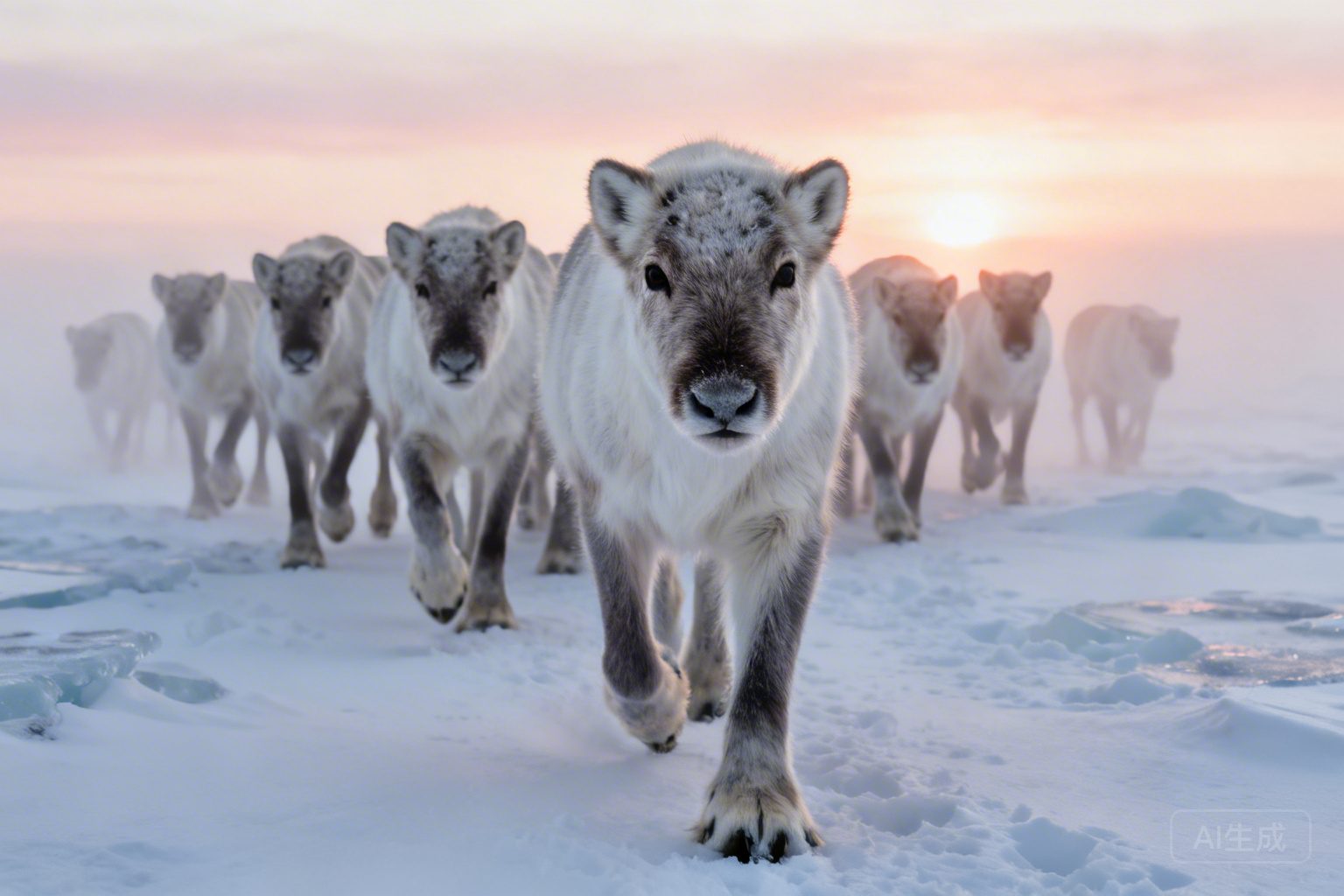
Unlike its southern counterpart, the North Pole is not located on a continent, but rather on a massive sheet of floating sea ice. This means there is no permanent markers or flags that stay in place for long. Can you imagine trying to plant a flag only to have it drift miles away within a few days because of the current?
According to data from NASA, this ice usually measures around two to three meters thick, floating atop the Arctic Ocean which is over 4,000 meters deep. Because the ice is constantly shifting, explorers have to use GPS coordinates to find the exact “Geographic North.” It is a dynamic, living landscape that never sits still for a single moment in time.
This creates a unique challenge for scientists who want to study the area over long periods. When the USS Nautilus, the first nuclear-powered submarine, traveled beneath the ice in 1958, it proved that the pole was purely oceanic. This lack of land makes it one of the most difficult places on Earth to establish any form of permanent human infrastructure or base.