One Look at These 10 flamingos Facts and You’re Hooked
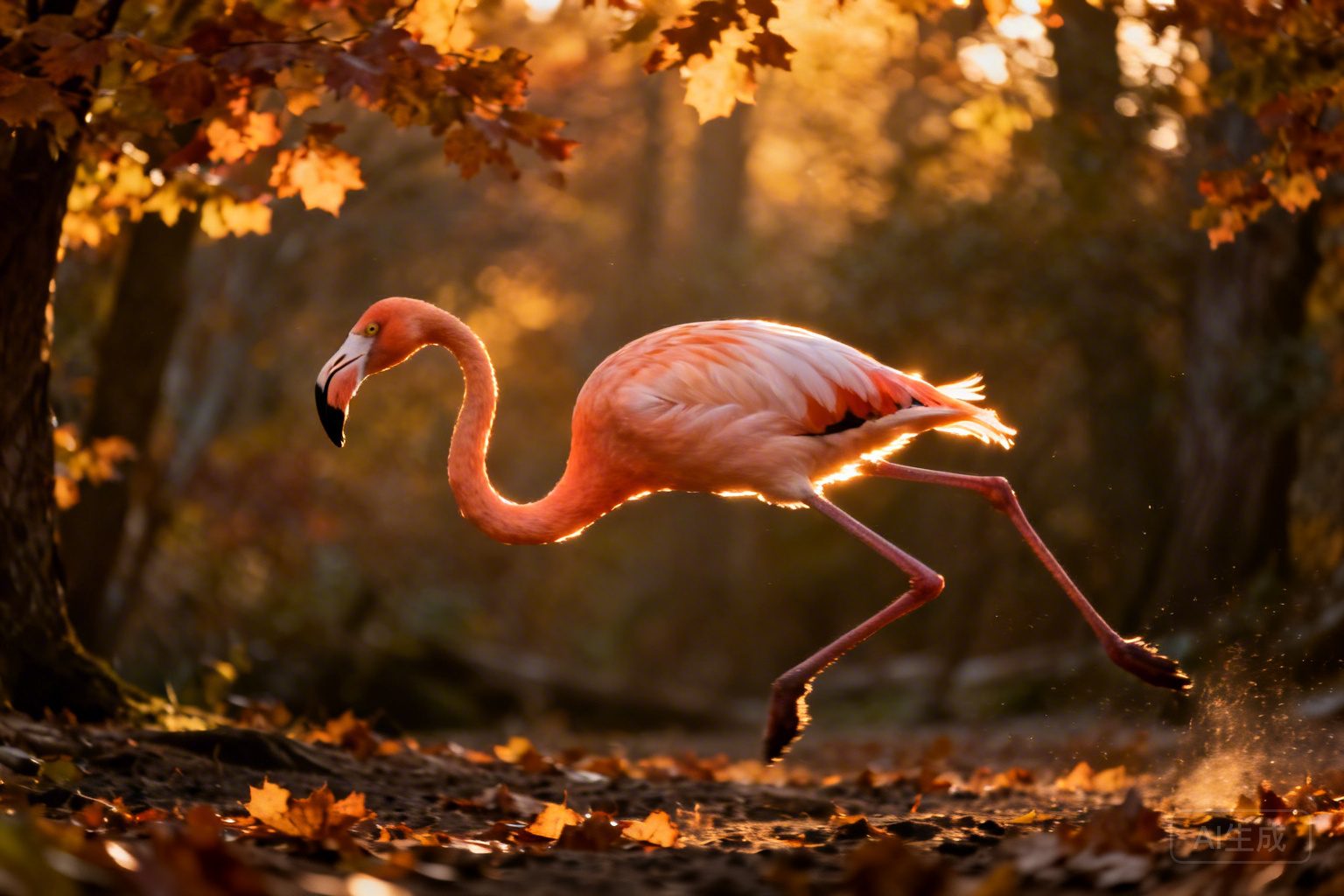
Have you ever looked at a bird and thought it looked like a glitch in the simulation? With their neon plumage and gravity-defying necks, flamingos are basically nature’s most fabulous pop stars. These leggy icons are far more than just lawn ornaments; they are resilient survivors thriving in some of the harshest environments on our planet today.
From the salty lagoons of Africa to the high-altitude lakes of the Andes, these birds dominate the landscape. But how much do you actually know about them? We are diving deep into the most mind-blowing facts about flamingos to reveal the hidden secrets behind those pink feathers. Get ready to have your perspective on these avian wonders completely transformed forever.
Whether you are a casual nature lover or a hard-core biology enthusiast, these insights will leave you stunned. We have gathered the most fascinating, science-backed details that explain why these birds are truly one of a kind. Ready to see what makes them tick? Let’s jump right into the vibrant world of the world’s most famous pink-hued feathered residents.
The Secret Behind the Pink
Flamingos are not actually born pink; they are born a dull, boring gray. Their iconic neon glow is a result of their diet, specifically a heavy intake of brine shrimp and blue-green algae. These food sources are packed with organic pigments called carotenoids. Think of it as a natural dye job that happens from the inside out over time.
The science is simple: the bird’s digestive enzymes break down these pigments, which then get deposited into the growing feathers and skin. This is why a flamingo in a zoo might turn white if its diet isn’t carefully managed. It takes about two to three years for a chick to fully transition from its drab gray beginnings to that signature rose gold.
Can you imagine if humans changed color based on what we ate? If you lived on nothing but carrots, you might actually turn a bit orange! For flamingos, this isn’t just a fashion statement; it’s a sign of health and vitality. A brighter pink bird is usually better fed and more successful, making them a much more attractive mate in the colony.