One Look at These 10 lobster Facts and You’re Hooked
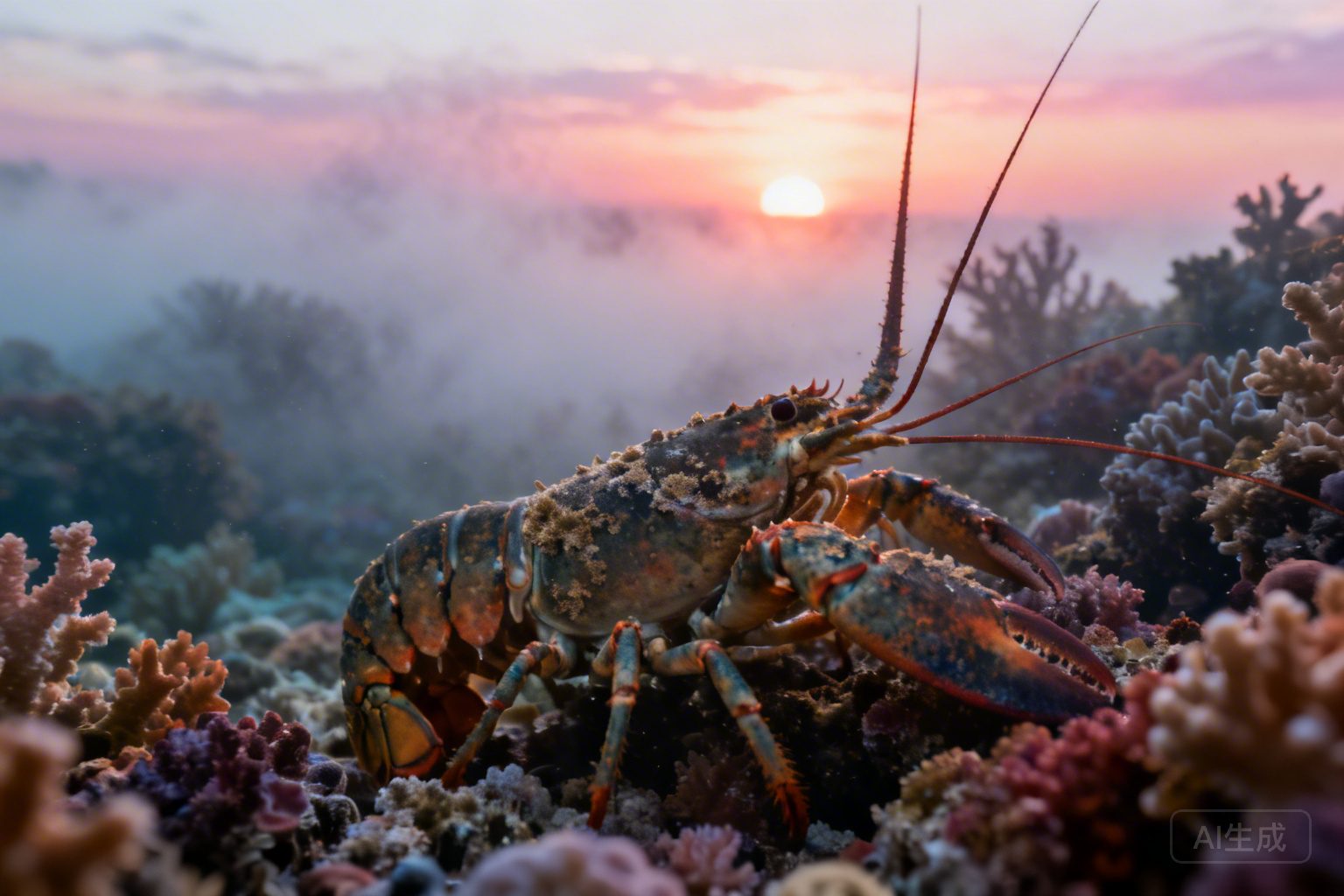
Have you ever looked at a lobster and thought you were staring at a literal alien from a different dimension? With their armored plating, waving antennae, and those iconic, bone-crushing claws, these crimson-colored crustaceans are far more than just a pricey menu item at a fancy seaside bistro. In fact, if you dive beneath the surface of the Atlantic, you’ll find a creature that defies the very laws of biology as we know them. Did you know that lobsters don’t actually age in the way humans do, or that they communicate using methods that would make a perfume chemist blush? It’s high time we stopped viewing them merely through the lens of melted butter and started appreciating the bizarre, high-stakes drama of their lives under the waves. These fascinating facts about lobster reveal a world of evolutionary genius that has allowed them to survive for hundreds of millions of years, outlasting even the mightiest dinosaurs.
The history of the lobster is a true “rags to riches” story that mirrors the changing tastes of human civilization. Back in the 17th and 18th centuries, lobsters were so incredibly plentiful in New England that they were considered “poverty food,” often fed to prisoners or used as garden fertilizer because people were simply sick of seeing them. Fast forward to today, and these fun facts about lobster underscore their status as a global delicacy and a biological marvel. From their blue blood to their ability to regenerate entire limbs, every inch of a lobster is designed for survival in some of the harshest environments on Earth. Whether they are navigating the pitch-black depths of the ocean floor or engaging in complex social hierarchies, their existence is a masterclass in adaptation. There is a certain magic in the way they perceive the world—a sensory experience so foreign to our own that it feels like science fiction.
Are you ready to dive deep into the secret lives of these bottom-dwelling icons? We’ve rounded up a collection of the most mind-blowing facts about lobster that will change the way you look at the ocean forever. We are talking about creatures that can live to be over a century old, giants that tip the scales at forty pounds, and animals that literally taste with their legs. You’ll discover why their blood is a vivid cerulean blue and how they manage to stay “immortal” in the eyes of some biologists. It’s a journey through deep-sea biology, history, and pure, unadulterated weirdness. So, grab your metaphorical snorkel and let’s get cracking—here are ten epic reasons why the humble lobster is one of the coolest inhabitants of our planet. You might want to hold on tight, because once you learn these secrets, you’ll be absolutely hooked on the wonders of the crustacean kingdom.
The Secret to Biological Immortality
Lobsters possess a biological “cheat code” that allows them to potentially live forever if they aren’t caught or eaten. Unlike humans, whose cells have a built-in expiration date due to the shortening of telomeres—the protective caps on our DNA—lobsters produce an enzyme called telomerase in abundance. This enzyme constantly repairs their DNA, meaning their cells don’t degrade with age, and they don’t lose strength or reproductive ability as they get older. According to reports from the Smithsonian Institution, a 100-year-old lobster is just as fast, fertile, and energetic as a teenager. Can you imagine a world where the elderly are just as physically capable as athletes? While they can eventually die from exhaustion during a difficult molt or from disease, the lobster essentially refuses to “grow old” in the traditional sense, making them a subject of intense study for longevity researchers.
This lack of senescence means that lobsters just keep growing as long as they live, which leads to some truly gargantuan individuals. The largest lobster ever recorded, caught off the coast of Nova Scotia in 1977, weighed a staggering 44 pounds and was estimated to be at least 100 years old! Because they never stop growing, their only real limitation is the energy required to shed their massive shells; eventually, the effort of building a new, larger suit of armor becomes too much for their metabolism to handle. This creates a fascinating paradox: the very mechanism that keeps them young is what eventually leads to their downfall. It’s one of the most intriguing facts about lobster—they are technically ageless, yet trapped in a cycle of constant physical expansion that eventually demands more than they can give. This “eternal youth” makes them one of the most biologically unique animals on the entire planet.