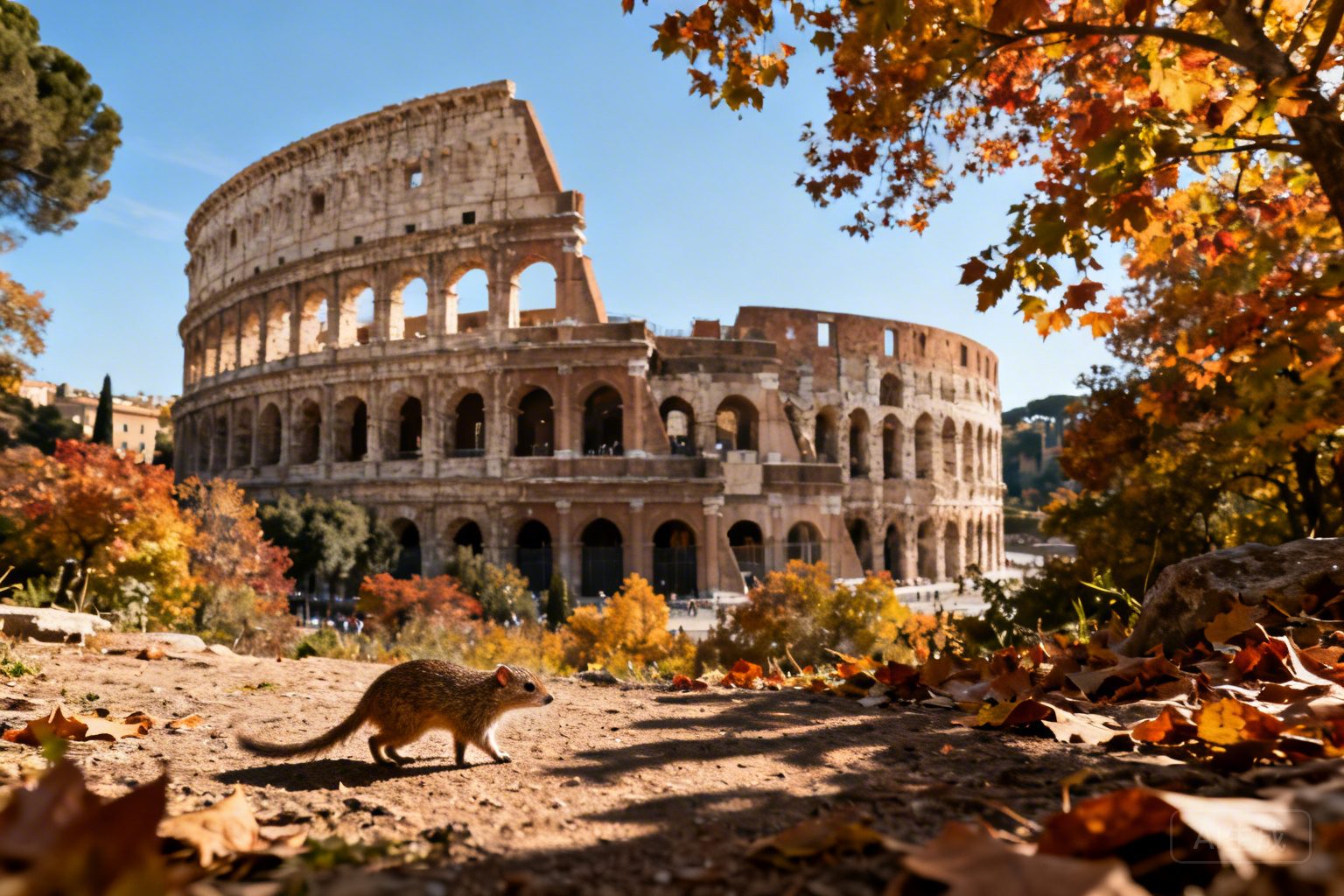
The 10 colosseum Facts That Left Me Speechless
Imagine standing in the center of a dusty arena where the roar of 50,000 people hits you like a physical wave. This isn’t a modern NFL stadium; it is Rome, nearly two thousand years ago, and you are standing inside the Flavian Amphitheatre. Most of us think we know the story of this iconic ruin, but the reality is far more intense than any Hollywood movie could ever portray.
The sheer scale of this ancient structure remains one of the most staggering engineering feats in human history. From naval battles staged in the center of the city to a complex underground elevator system, the facts about Colosseum architecture continue to baffle modern scientists. It’s not just a pile of old stones; it’s a high-tech masterpiece of the ancient world that still influences how we build today.
Are you ready to dive deep into the blood-soaked sands and architectural brilliance of Italy’s most famous landmark? We are uncovering the hidden secrets and fun facts about Colosseum history that rarely make it into the standard guidebooks. Stick around, because some of these revelations are truly mind-blowing. Let’s step back in time and explore the secrets of the world’s most legendary arena.
The Giant Statue Next Door
The Colosseum wasn’t actually named the Colosseum when it was first built by the Flavian emperors. Its official name was the Flavian Amphitheatre, intended to showcase the power of the new dynasty. The name we use today actually comes from a “colossal” 100-foot bronze statue of Emperor Nero that stood right outside the entrance. Can you imagine a statue as tall as the Statue of Liberty greeting you?
After Nero’s controversial reign ended, subsequent emperors didn’t want to destroy the expensive bronze, so they simply changed the statue’s head to represent the Sun God. Eventually, the proximity of this massive “Colossus” led locals to start calling the arena the Colosseum. It’s a bit like naming a stadium after a giant billboard that happened to be parked in the nearby lot for a century.
Historians at the Smithsonian note that the statue eventually vanished, likely melted down for its valuable bronze during later conflicts. However, the nickname stuck so well that the original name was virtually forgotten by the Middle Ages. It’s fascinating how a piece of vanity art from a disgraced emperor accidentally rebranded one of the most famous facts about Colosseum history forever. Onward to the engineering marvels!