The 10 lobster Facts That Left Me Speechless
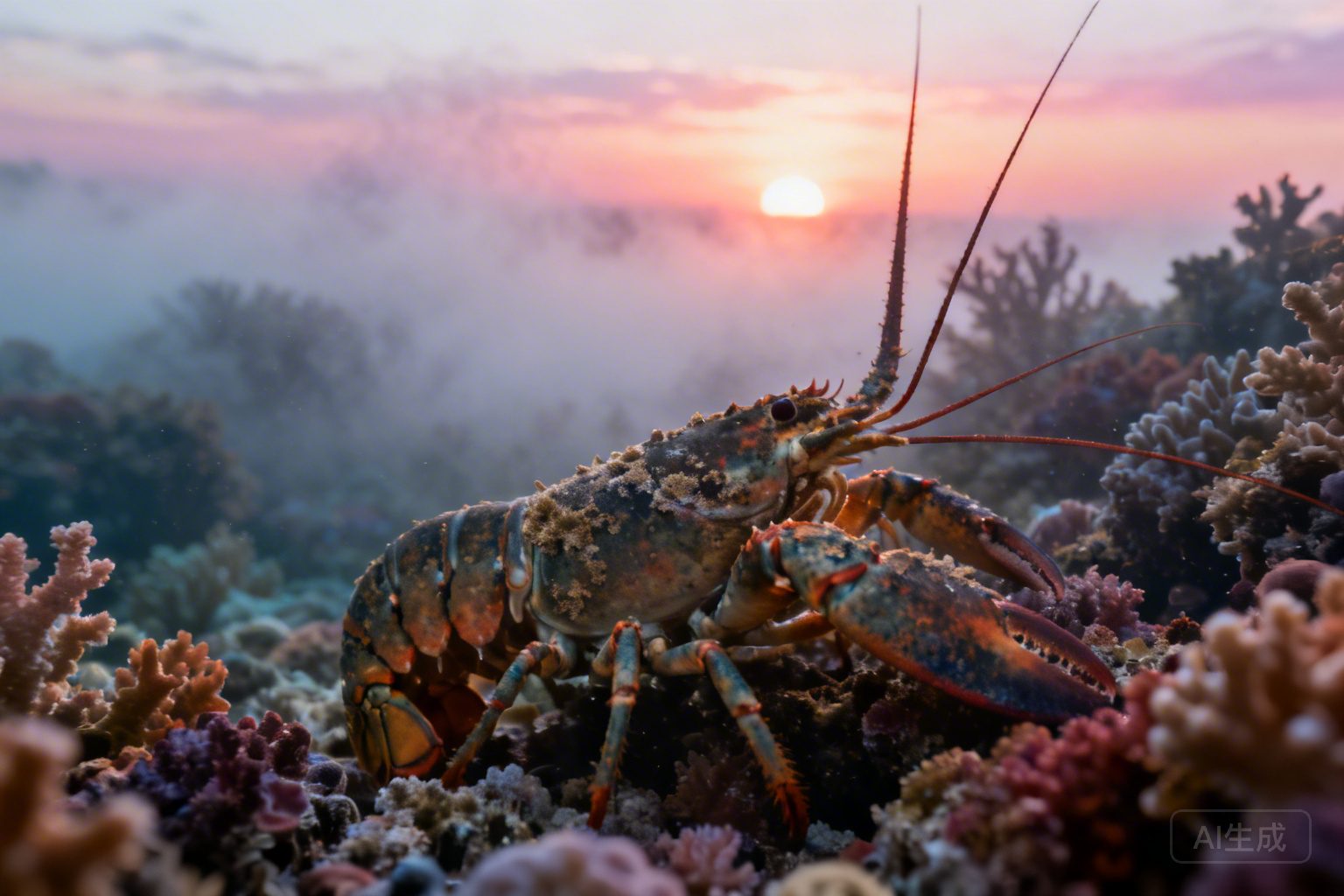
Picture yourself sinking into a plush velvet chair at a high-end seafood bistro, the aroma of melted butter wafting through the air as a glistening red shell arrives at your table. For most of us, that’s the beginning and end of our relationship with this crustacean, but what if I told you that the creature on your plate was once considered so “trashy” that it was fed to prisoners and used as fertilizer? The facts about lobster reveal a biological oddity that defies the laws of aging, navigates the vast ocean floor with GPS-like precision, and possesses a sensory system that makes our five senses look like basic dial-up internet. It’s time to look past the lemon wedges and discover why these armored aliens are some of the most complex inhabitants of the deep blue.
Why are we so obsessed with these clawed bottom-dwellers lately? Perhaps it’s because modern science is finally catching up to their bizarre capabilities, from their ability to regrow entire limbs to the fact that they technically “taste” with their feet. These fun facts about lobster aren’t just trivia fodder; they are insights into a creature that has survived millions of years of evolution by being weirder and tougher than almost anything else in the North Atlantic. Whether you’re a marine biology nerd or just someone who enjoys a good surf-and-turf, the hidden life of the lobster is guaranteed to leave you questioning everything you thought you knew about “simple” sea life.
In this deep dive, we are going to explore the most mind-blowing facts about lobster that have left even seasoned marine researchers speechless. We’ll talk about their secret biological immortality, their strangely sophisticated social lives, and the historical U-turn that saw them go from “poverty food” to a global symbol of luxury. Are you ready to meet the animal that urinates out of its face to communicate and carries its teeth in its stomach? Let’s crack open the shell and get to the good stuff—here are the ten most incredible secrets of the lobster world that will change your perspective on the ocean forever.
The Great Escape from Biological Aging
Lobsters possess a biological “cheat code” that allows them to potentially live forever if they aren’t caught or eaten. Unlike humans, whose cells have a built-in expiration date due to the shortening of telomeres, lobsters produce an enzyme called telomerase that constantly repairs their DNA sequences. This means that a 100-year-old lobster isn’t necessarily “old” in the way we understand it; they don’t lose energy, their metabolism doesn’t slow down, and they don’t even lose their reproductive drive. Scientists at the Smithsonian have noted that while they do eventually die, it is usually because they become too physically exhausted to molt their massive shells, rather than from cellular senescence or “old age” itself.
Can you imagine a world where you just keep getting bigger and stronger every year instead of getting wrinkles? This lack of traditional aging is one of the most studied facts about lobster in the medical community today, as researchers hope to unlock the secrets of telomerase for human longevity. Take “George,” a famous 20-pound lobster caught in 2008, who was estimated to be around 140 years old—he was still as vibrant and healthy as a juvenile when he was eventually released back into the wild. It’s a staggering thought: if a lobster avoids the cooking pot and the jaws of a predator, it could theoretically witness centuries of human history from the silence of the ocean floor. Next, let’s look at how they manage to navigate that dark, silent world.