The 10 owls Facts That Left Me Speechless
Have you ever stared into the oversized, glowing eyes of a Great Horned Owl and felt like it was reading your very soul? These nocturnal masters of the air are far more than just spooky Halloween icons or the messengers of the wizarding world. With over two hundred species inhabiting every continent except Antarctica, these birds are the ultimate biological marvels of the night sky.
From their legendary 270-degree head rotations to their incredibly specialized feathers that allow for near-silent flight, the sheer volume of facts about owls is enough to make any nature lover’s head spin. These avian predators have spent millions of years evolving into the most efficient hunters on the planet. Science tells us that their unique physiology allows them to dominate ecosystems in ways other birds cannot.
In this deep dive, we are going to explore the hidden lives of these feathered geniuses through ten mind-blowing fun facts about owls. We will uncover the secrets behind their tube-shaped eyes, their bizarre skeletal structures, and the tactical warfare they wage against their prey. Are you ready to see the forest through a completely different lens? Let’s take flight into the incredible world of owls.
The Optical Illusion of Tube Eyes
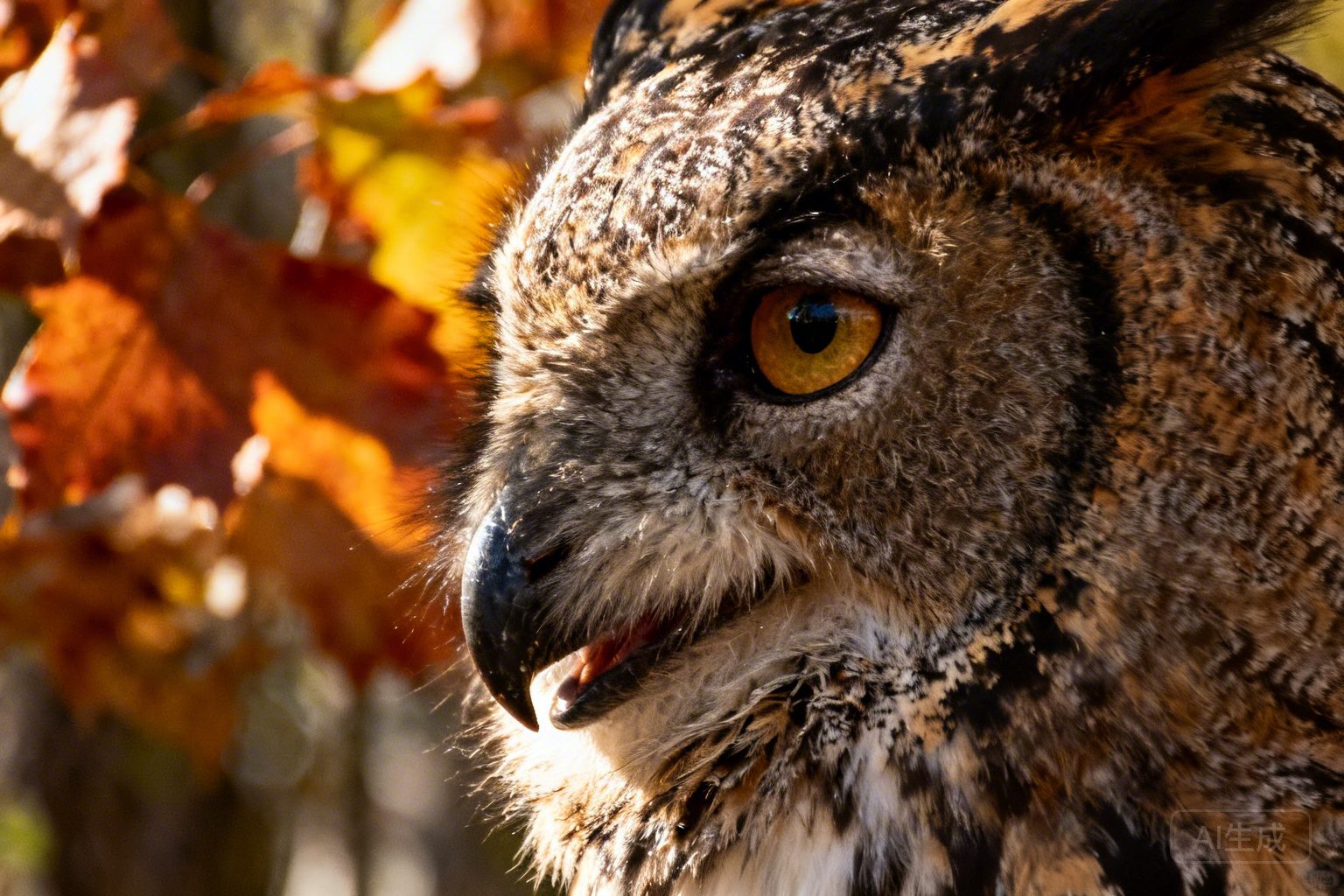
Owls do not actually have traditional “eyeballs” like humans do, but rather elongated tubes held in place by bony structures. These sclerotic rings prevent the eyes from moving within their sockets, meaning an owl can’t just glance sideways to see a snack. Instead, they must physically turn their entire head to shift their gaze, which explains their iconic and somewhat creepy rotating neck movements.
This tubular shape provides a massive surface area for light to hit the retina, which is packed with light-sensitive rod cells. According to National Geographic, this design gives them unparalleled telescopic vision, allowing them to spot a tiny vole moving through tall grass from hundreds of feet away. It’s a specialized evolutionary trade-off that prioritizes long-distance nocturnal clarity over the flexibility of eye movement.
Can you imagine navigating the world if your eyes were essentially fixed binoculars built into your skull? While we enjoy peripheral vision, the owl relies on a massive field of binocular overlap to judge depth with lethal precision. This high-definition vision is their primary tool for survival in the dark. But wait, if they can’t move their eyes, how do they manage to see everything happening behind them?