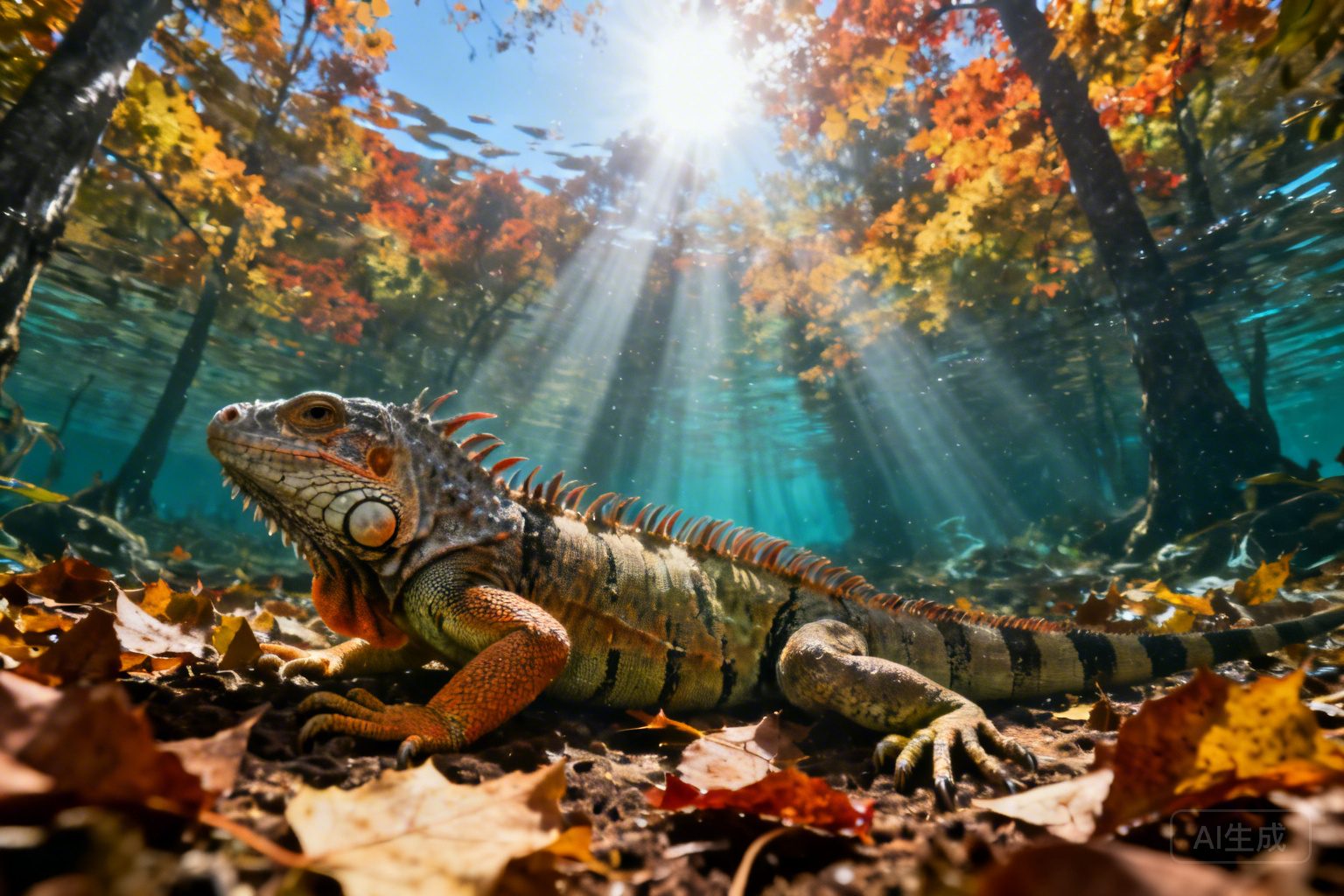
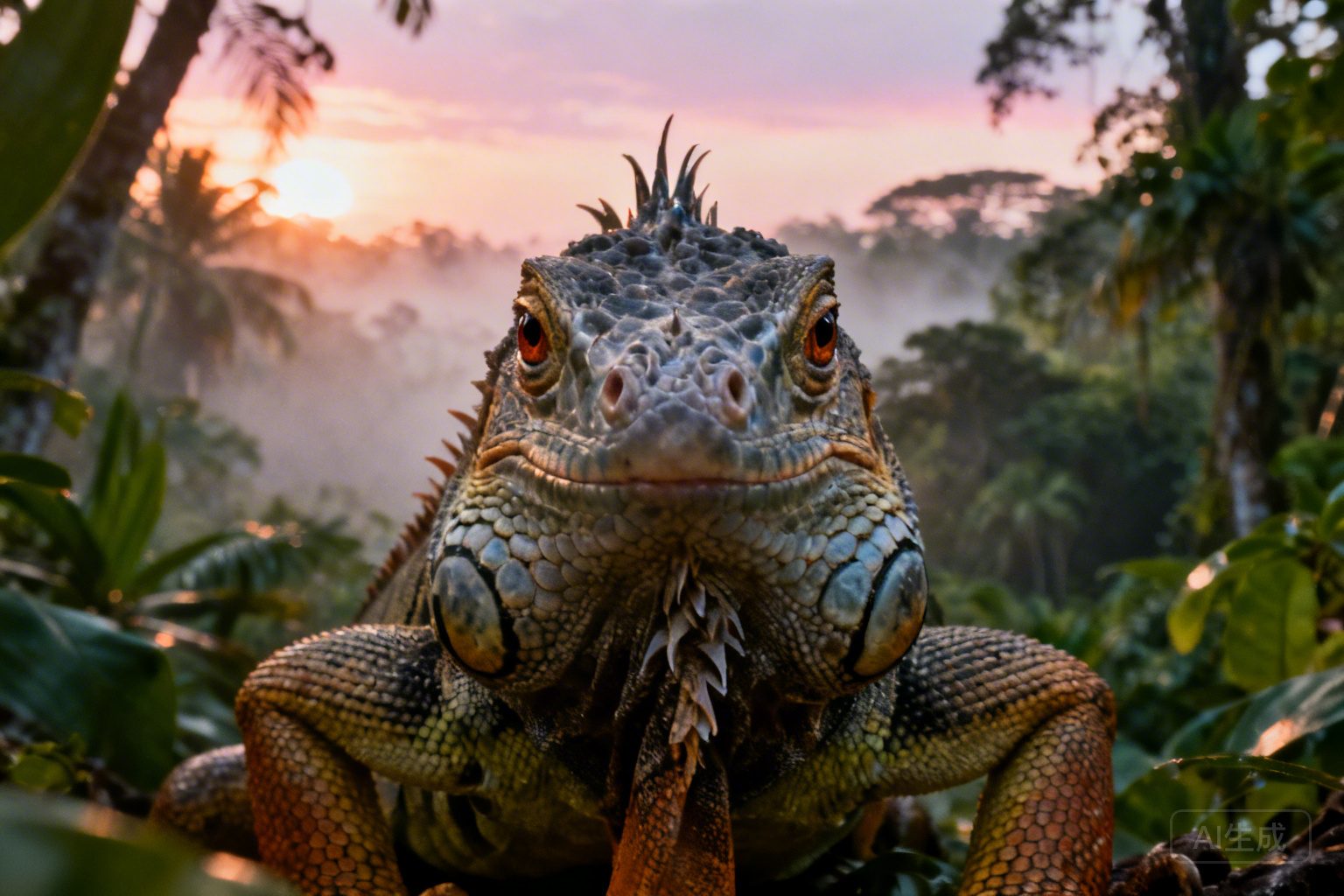
These 10 iguanas Details Are Actually Real?!
Have you ever looked at a modern lizard and thought you were staring directly at a miniature dinosaur from a big-budget Hollywood movie? You aren’t alone because these scaly superstars are some of the most prehistoric-looking creatures walking the Earth today. Whether they are lounging on a tropical branch or scurrying across a sun-drenched rock, these reptiles are truly captivating.
From their incredible survival tactics to their bizarre biological superpowers, there are so many facts about iguanas that sound like pure science fiction. They aren’t just lazy sunbathers; they are complex, intelligent, and highly adapted survivors found in diverse environments across the globe. Getting to know them reveals a world of biological mystery that leaves most people completely stunned and asking for more.
In this deep dive, we are going to explore the hidden lives of these magnificent reptiles to see what makes them tick. You will discover “fun facts about iguanas” that range from their literal third eye to their ability to survive massive falls without a scratch. Are you ready to see why these creatures are the ultimate modern dragons? Let’s jump into the first mind-blowing detail!
The Literal Eye in Their Forehead
Did you know that many iguanas actually possess a third eye located right on the very top of their heads? This isn’t a myth or a metaphorical description; it is a specialized biochemical structure known as the parietal eye. While it doesn’t see crisp HD images like their primary eyes, it is essential for their daily survival and biological rhythm in the wild.
This “eye” looks like a pale, small scale and is directly connected to the pineal gland within the lizard’s brain. According to Smithsonian researchers, this organ is highly sensitive to changes in light and movement from above. It acts as a built-in solar sensor, helping the animal regulate its body temperature and track the sun’s position throughout the day for maximum heat.
Beyond just finding the best tanning spot, this third eye serves as a vital security system against hungry hawks and eagles. By detecting shadows and shifts in overhead light, the iguana can sense a predator diving from the sky before it even sees it. Can you imagine having a 360-degree motion sensor built into your skull? It’s a literal life-saver for them.