These 10 polar bears Details Are Actually Real?!
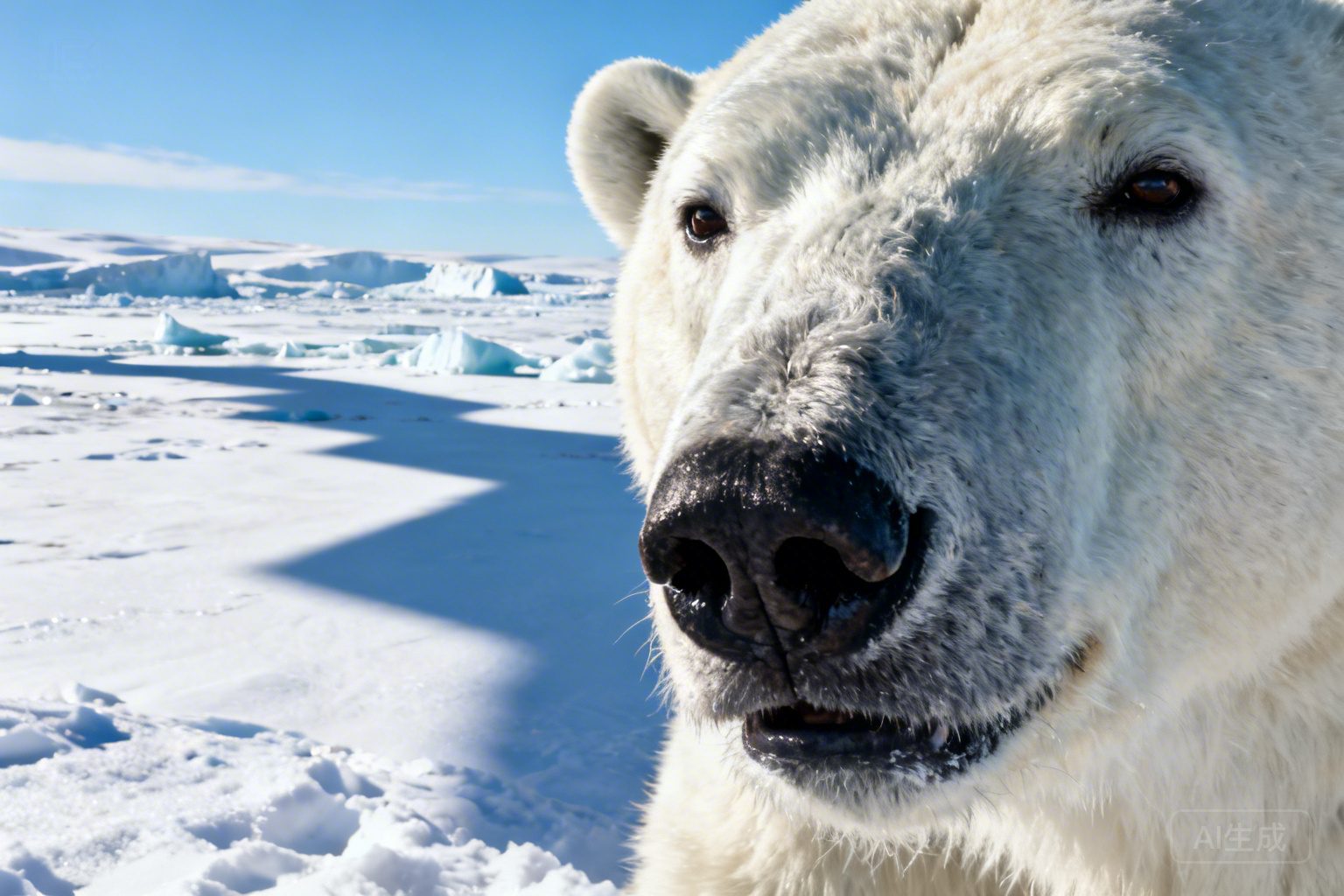
Imagine standing alone on a vast, shifting sheet of ice in the high Arctic, where the temperature regularly drops to forty below zero. In this frozen wasteland, a massive white shadow emerges from the blizzard, moving with a silent, ghostly grace that defies its half-ton weight. These apex predators aren’t just cute holiday mascots; they are some of the most specialized survivors on Earth.
Polar bears represent the ultimate triumph of evolution over extreme environments, possessing biological “superpowers” that seem straight out of a science fiction novel. Whether they are swimming across entire bays or tracking prey through miles of frozen tundra, their lives are full of drama. You might think you know these Arctic icons, but the reality of their daily existence is far more intense than any documentary suggests.
Today, we are diving deep into the icy waters of the North to uncover why these creatures are so truly unique. From their surprising skin color to their incredible marathon swimming abilities, we have gathered ten mind-blowing facts about polar bears that will change how you see them. Ready to explore the hidden world of the Arctic’s greatest hunter? Let’s break down these incredible details together.
The Secret Darkness Beneath The Fur
Underneath that pristine, snowy white camouflage, every polar bear is actually rocking skin as black as a piece of coal. It sounds impossible, right? But if you were to shave a polar bear, you would find a dark, pigmented hide that looks nothing like the snowy exterior we see in photos. This isn’t an aesthetic choice; it’s a vital survival mechanism for the Arctic.
This black skin is designed to absorb as much heat as possible from the sun’s rays, which is crucial in a landscape where heat is the most precious resource. Even through their thick fur, that dark pigment works like a solar panel, soaking up every bit of thermal energy available. It’s a brilliant adaptation that helps them maintain a high body temperature in the freezing cold.
Think of it like wearing a black t-shirt on a sunny day; you’ll feel significantly warmer than someone in white because dark colors trap heat. Without this specific biological setup, surviving the brutal winters of the North Pole would be nearly impossible. It’s the first of many ways these bears prove that appearances can be incredibly deceiving when you are living on the edge.