These 10 winter Details Are Actually Real?!
Have you ever stepped outside on a crisp January morning and felt like you’ve entered an entirely different planet? Winter is more than just puffer jackets and overpriced lattes; it is a season of extreme biological and physical transformations. From snow that acts as a thermal blanket to animals that literally turn into ice, the science of the cold is absolutely wild.
While most of us focus on shoveling driveways, there is a hidden world of fun facts about winter that remains largely unknown to the general public. Why does the Earth actually get closer to the sun during the Northern Hemisphere’s coldest months? It sounds completely counterintuitive, but the secrets of our orbit and the atmosphere create a seasonal spectacle that defies our basic logic.
In this deep dive, we are uncovering the most shocking facts about winter that will make you rethink everything you know about the frost. We have scoured records from NASA and the National Weather Service to bring you the ultimate list of icy wonders. Are you ready to discover why winter is the most misunderstood season of the year? Let’s jump into the frozen unknown.
The Secret Heat of Frozen Snow
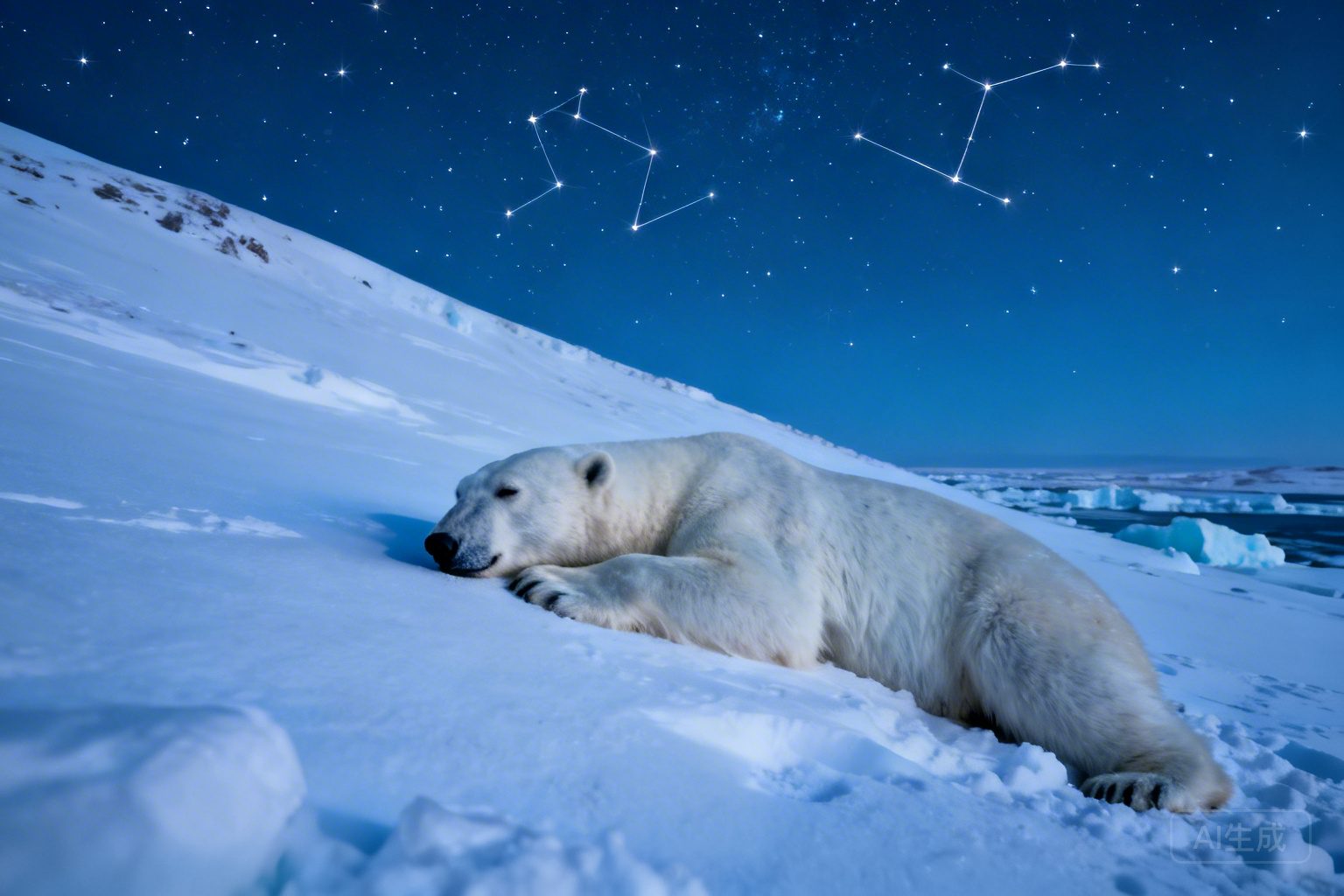
Snow is actually a world-class insulator that functions much like the fiberglass in your attic. Because fresh snow is roughly 90 to 95 percent trapped air, it prevents heat from escaping the ground into the atmosphere. This “thermal blanket” effect is exactly how many animals manage to survive the harshest sub-zero temperatures without freezing to death in their sleep.
According to the National Parks Service, temperatures beneath a thick layer of snow can be as much as 40 degrees warmer than the biting air above. This creates a tiny world called the subnivium zone, where mice and voles thrive in a secret, mossy microclimate. Can you imagine a world where the very thing that looks cold is actually what keeps you warm?
This insulating property is the primary reason why indigenous cultures, such as the Inuit, historically relied on igloos for survival in the Arctic. Even when the outside air screams at minus 50 degrees, the interior of a well-constructed snow dwelling can stay quite cozy. It’s one of those facts about winter that proves nature is the ultimate architect of survival and efficiency.