Wait Until You See These 10 Insane hedgehogs Truths
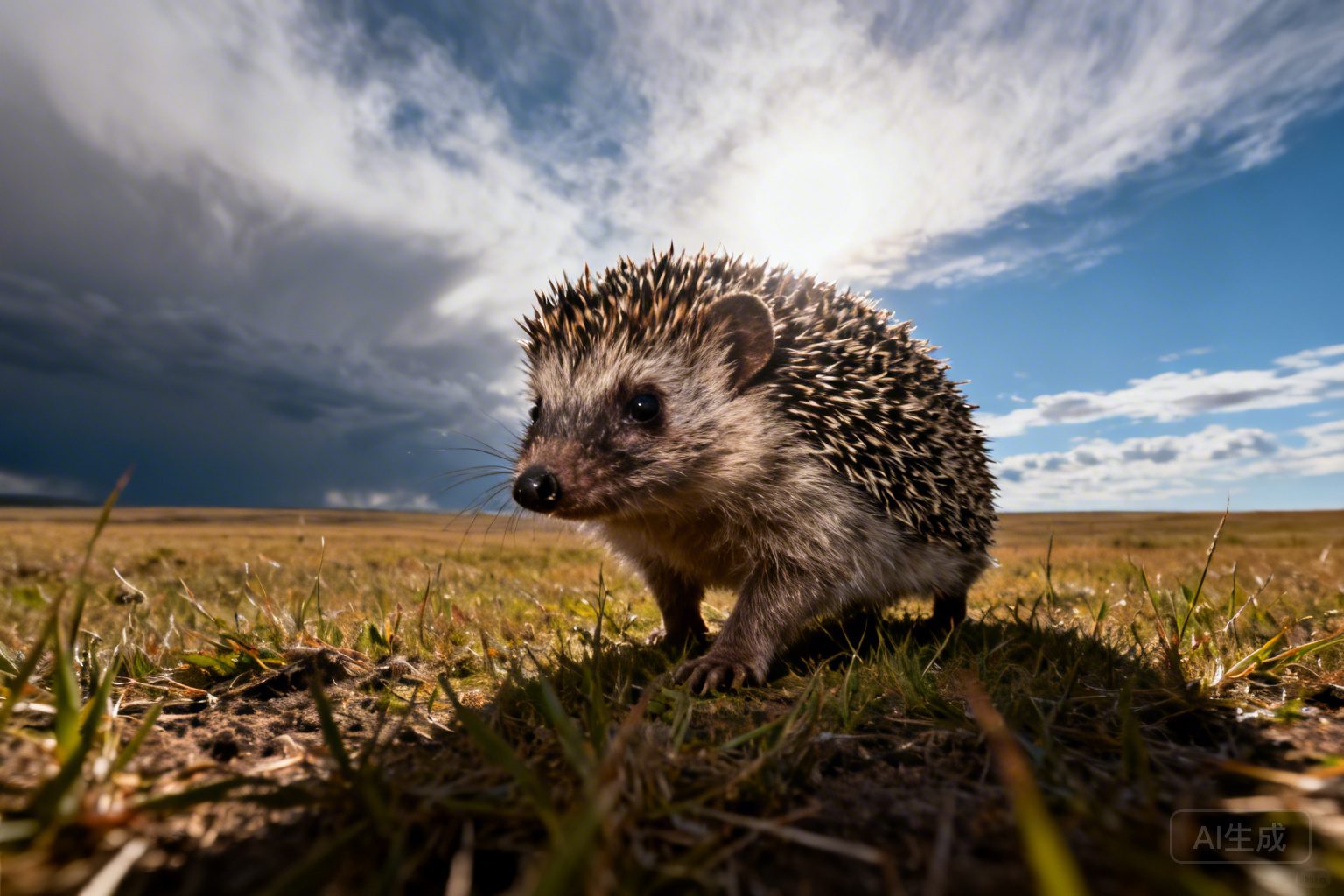
Have you ever looked at a tiny, prickly ball in your garden and wondered if you were staring at a prehistoric relic or a modern-day superhero? With their twitchy noses and signature “pincushion” aesthetic, hedgehogs are easily some of the most recognizable creatures on the planet, yet they remain shrouded in mystery for most of us. These nocturnal wanderers are far more than just cute garden guests; they are sophisticated survivors with an evolutionary history that would make a T-Rex jealous. Whether they are roaming the English countryside or being pampered as pets in American living rooms, these animals constantly defy our expectations with their bizarre behaviors and “untouchable” biology. It’s time to peel back the quills and look at the real facts about hedgehogs that prove they are the true rebels of the animal kingdom.
What makes these quill-covered critters so endlessly fascinating to scientists and backyard enthusiasts alike? Perhaps it’s the fact that they’ve survived for millions of years largely unchanged, or maybe it’s their weirdly high tolerance for toxins that would end most other mammals. From their surprisingly athletic lifestyle—did you know they can run several miles in a single night?—to their unique way of “painting” themselves with spit, there is always something new to learn. These fun facts about hedgehogs often blur the line between adorable and “wait, they actually do that?” It’s a wild world out there for a creature that’s barely the size of a grapefruit, and we are just beginning to understand the complexity of their social lives and survival tactics. According to wildlife researchers at the University of Oxford, these animals are essential indicators of a healthy ecosystem, making them as important as they are charming.
Get ready to have your mind blown because we’ve gathered the absolute best, most shocking, and deeply weird facts about hedgehogs to share with you today. We’re going to dive deep into their “biological armor,” explore their secret Olympic-level swimming skills, and find out why they are basically the ultimate pest control officers for your organic garden. Are you prepared to discover why they perform a ritual called “self-anointing” that looks like something out of a horror movie? Or how they manage to sleep through an entire season without their heart stopping? This isn’t just a list; it’s an all-access pass into the hidden life of the world’s most famous insectivore. Stick around as we reveal the 10 insane truths that will change the way you look at every prickly bush and garden corner forever.
Living Relics From The Age Of Dinosaurs
Hedgehogs have been scuttling across the Earth for roughly 15 million years, making them one of the oldest mammal species still in existence today. While many other species from the Miocene epoch fell victim to climate shifts and predators, the hedgehog’s ancestors, such as the Deinogalerix, perfected a survival strategy that worked so well they never felt the need to change. Think about that for a second: while our own ancestors were still figuring out how to walk upright, hedgehogs were already rocking the same quill-based defense system they use in your backyard today. Their evolutionary blueprint is so successful that they outlasted ice ages and the rise of massive predators, proving that sometimes, being small and spiky is the ultimate biological “cheat code” for longevity.
Can you imagine a world where the wildlife hasn’t changed its look in millions of years? According to paleontologists at the Smithsonian, fossil records show that these facts about hedgehogs aren’t just myths; their skeletal structure has remained remarkably consistent across the eons. While they don’t have the “giant” versions like the prehistoric armadillo or sloth (well, except for a few extinct hairy versions that were the size of a small dog), their core design is a masterpiece of efficiency. This historical staying power is exactly why they are found across Europe, Asia, and Africa, adapting to everything from lush British meadows to the harsh deserts of the Middle East. It’s a testament to the idea that if it isn’t broken, don’t fix it—even if “it” is a ball of five thousand sharp needles. This ancient lineage sets the stage for their other bizarre biological quirks.