Wait Until You See These 10 Insane lunar eclipse Truths
Have you ever looked up at the night sky and watched the moon slowly transform into a haunting, ghostly crimson orb? It’s not a scene from a Hollywood horror flick; it’s one of nature’s most spectacular light shows. These celestial events have terrified and inspired humanity for millennia, blending hard science with an undeniable touch of cosmic magic and mystery.
Understanding the facts about lunar eclipse events helps us appreciate the intricate clockwork of our solar system. When the Earth slides perfectly between the sun and the moon, it casts a massive shadow that completely changes our perspective on the night sky. It’s a moment where physics meets art, proving that the universe is far more theatrical than we often realize.
Are you ready to dive deep into the shadows and discover the secrets behind the moon’s dramatic disappearing act? We have gathered some truly fun facts about lunar eclipse phenomena that will make you the smartest person at your next stargazing party. From ancient legends to modern NASA discoveries, let’s explore these ten insane truths that prove the moon is full of surprises.
The Blood Moon’s Fiery Secret
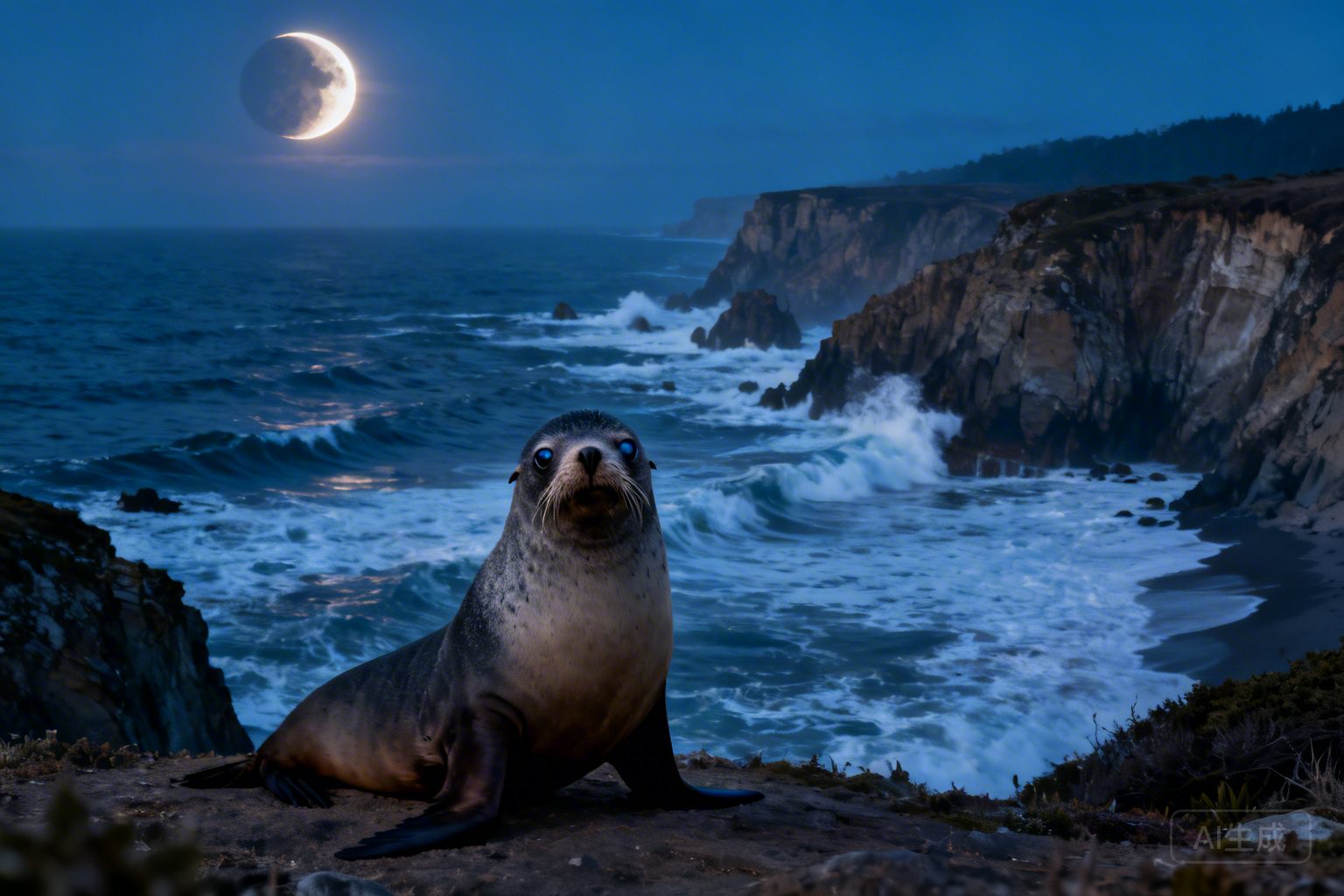
The iconic red glow during a total eclipse is actually caused by every sunset and sunrise on Earth happening at once. While you might expect the moon to go completely dark when it enters Earth’s shadow, it instead turns a deep, rusty copper. This happens because our atmosphere acts like a massive lens, bending sunlight around the edges of our planet.
This phenomenon, known as Rayleigh scattering, filters out blue light and allows only the longer red and orange wavelengths to pass through. Think about the last time you saw a vibrant purple and orange sunset; that same light is what’s reaching the lunar surface. If you were standing on the moon, you would see a brilliant red ring around the dark Earth.
NASA scientists often refer to this as the “Blood Moon,” and its intensity depends on the state of our atmosphere. If there have been recent volcanic eruptions or heavy pollution, the moon can appear even darker or more vividly red. Isn’t it wild to think that the moon’s beauty is a direct reflection of our own planet’s atmospheric conditions at that moment?