Wait Until You See These 10 Insane puffin Truths
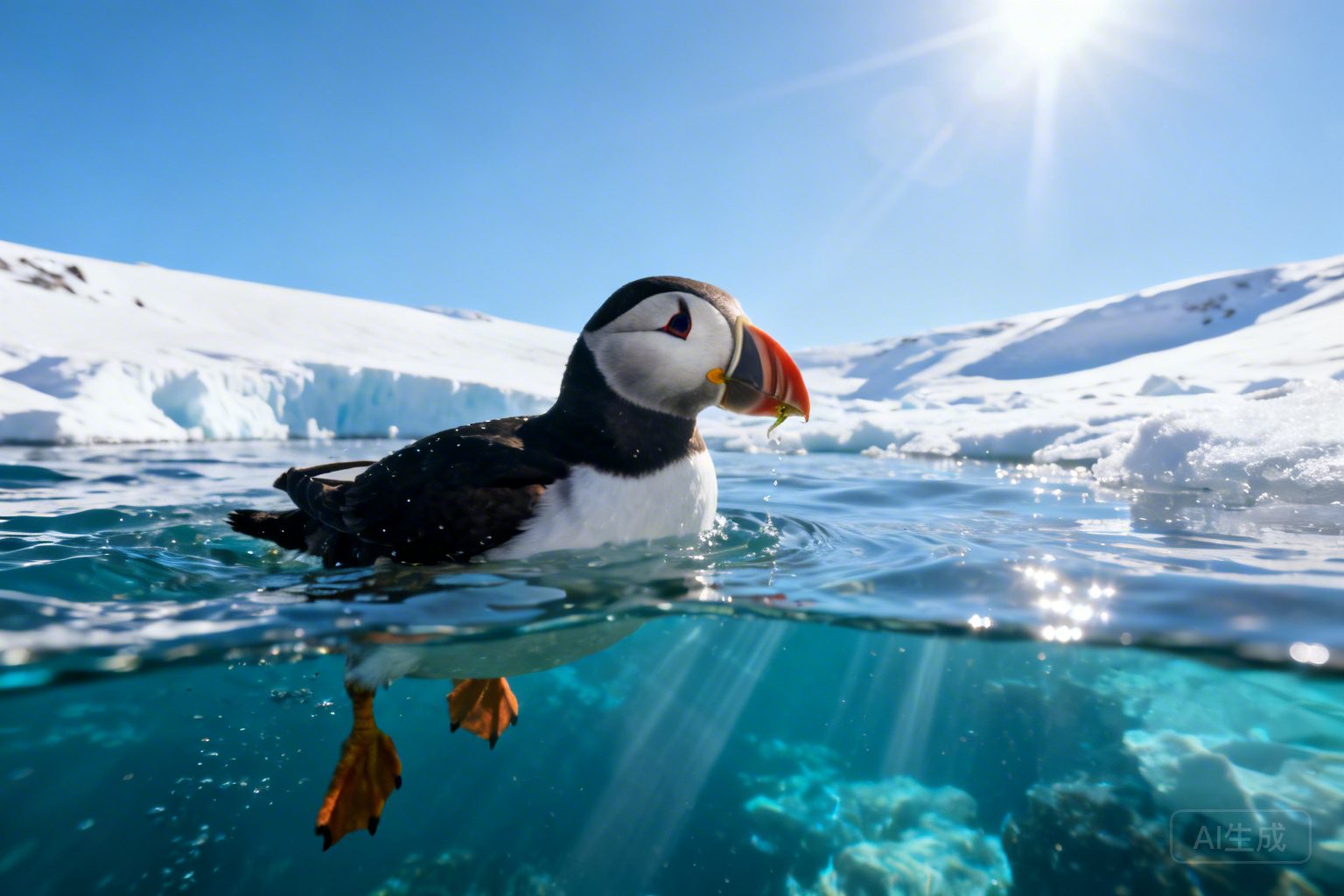
Have you ever looked at a bird and thought it looked like a cross between a penguin, a parrot, and a very confused accountant? If so, you’ve probably met the Atlantic puffin, the ocean’s most charismatic little overachiever. These colorful creatures aren’t just pretty faces; they are rugged survivalists thriving in the brutal North Atlantic conditions.
While most people recognize their vibrant beaks and tuxedo-like feathers, there is a treasure trove of hidden facts about puffin life that remain largely unknown to the general public. From their incredible deep-sea diving capabilities to their surprisingly complex social structures, these birds are much more than just a cute mascot for coastal gift shops.
Get ready to dive into a world of high-speed flights, underground secret bunkers, and glowing skeletal features that defy logic. We have rounded up the most mind-blowing fun facts about puffin biology and behavior that will completely change how you view these “sea parrots.” Let’s get started and explore the incredible secrets of the puffin world.
The Sea Parrots’ Secret Neon Glow
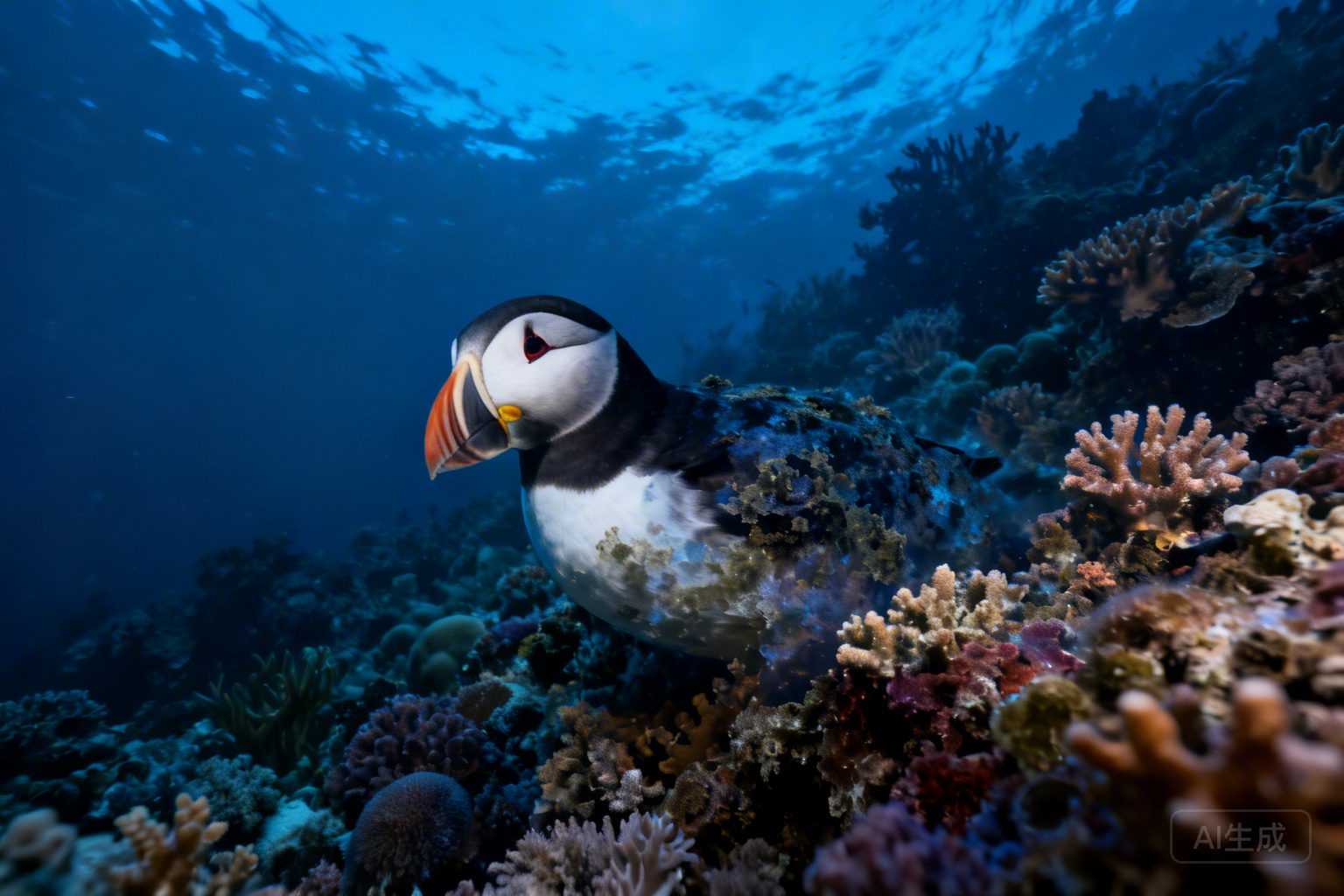
The Atlantic puffin possesses a secret hidden talent that is completely invisible to the naked human eye. Scientists recently discovered that puffin beaks are actually UV-fluorescent, meaning they glow under a blacklight. This incredible biological feature likely helps them stand out to potential mates in the bright, hazy glare of the coastal sun or deep underwater.
Can you imagine walking around with a face that doubles as a glowing neon sign? According to researchers from the University of Nottingham, this fluorescence occurs in the yellow ridges of their bills. While we might find it flashy, for a puffin, it’s a high-tech communication tool used to signal health and maturity during the breeding season.
This discovery was purely accidental when an ornithologist decided to shine a UV light on a puffin specimen. It turns out many facts about puffin anatomy are still being uncovered by modern technology. This glow-in-the-dark feature is just the tip of the iceberg when it comes to their specialized adaptations. Ready to see how they handle the freezing water?