Why Is coral reef Like This? 10 Facts That Explain It
Have you ever looked at a satellite photo of Earth and noticed those vibrant, neon-blue structures glowing from beneath the ocean waves? Those aren’t just pretty colors; they are the only living things on Earth visible from space, and they are absolutely wild. These underwater metropolises are far more than just “rocks” sitting at the bottom of the sea.
In reality, these ecosystems are bustling hubs of biological activity that make Times Square look like a sleepy village in comparison. We are talking about the ultimate architects of the ocean, creating massive limestone structures that protect our coastlines and feed millions of people. These incredible facts about coral reef systems will change the way you view our planet’s blue heart forever.
Why is coral reef like this, and how can something so delicate also be so incredibly resilient? From “super corals” to secret deep-sea forests, we are diving deep into the most mind-blowing fun facts about coral reef biology. Get ready to explore the hidden mechanics of the sea as we reveal ten epic secrets about these colorful, underwater kingdoms and their survival.
An Animal, A Vegetable, Or A Mineral?
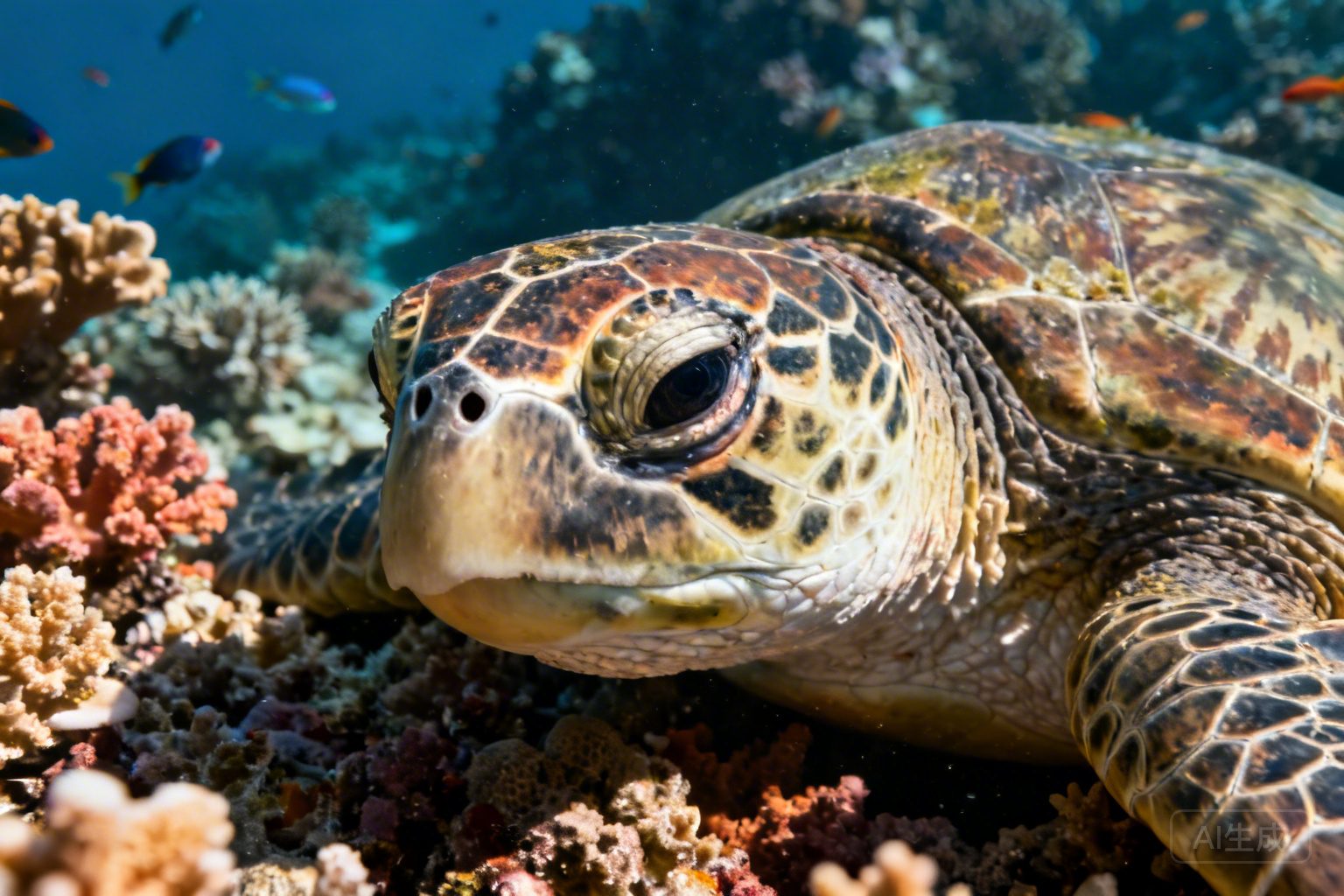
The first thing you need to know is that coral isn’t just one thing; it is a biological “three-in-one” combo that defies simple categorization. While they look like colorful plants and build structures that resemble heavy rocks, corals are actually marine invertebrates. They are cousins to the jellyfish and sea anemones, possessing soft bodies that hide inside hard, protective limestone skeletons.
Each individual coral is called a polyp, a tiny creature with a mouth surrounded by stinging tentacles. These polyps live in massive colonies, working together to build the sprawling structures we recognize as reefs. It is like an entire city made of tiny, interconnected neighbors who all share the same apartment building. Can you imagine living in a house made of your own bones?
Because they stay fixed in one spot, many people throughout history, including early Greek philosophers, mistakenly categorized them as plants. It wasn’t until the 18th century that scientists finally realized these “flowers of the sea” were actually animals. This unique status makes the facts about coral reef life some of the most fascinating topics in the entire world of marine biology.