Why Is mars planet Like This? 10 Facts That Explain It
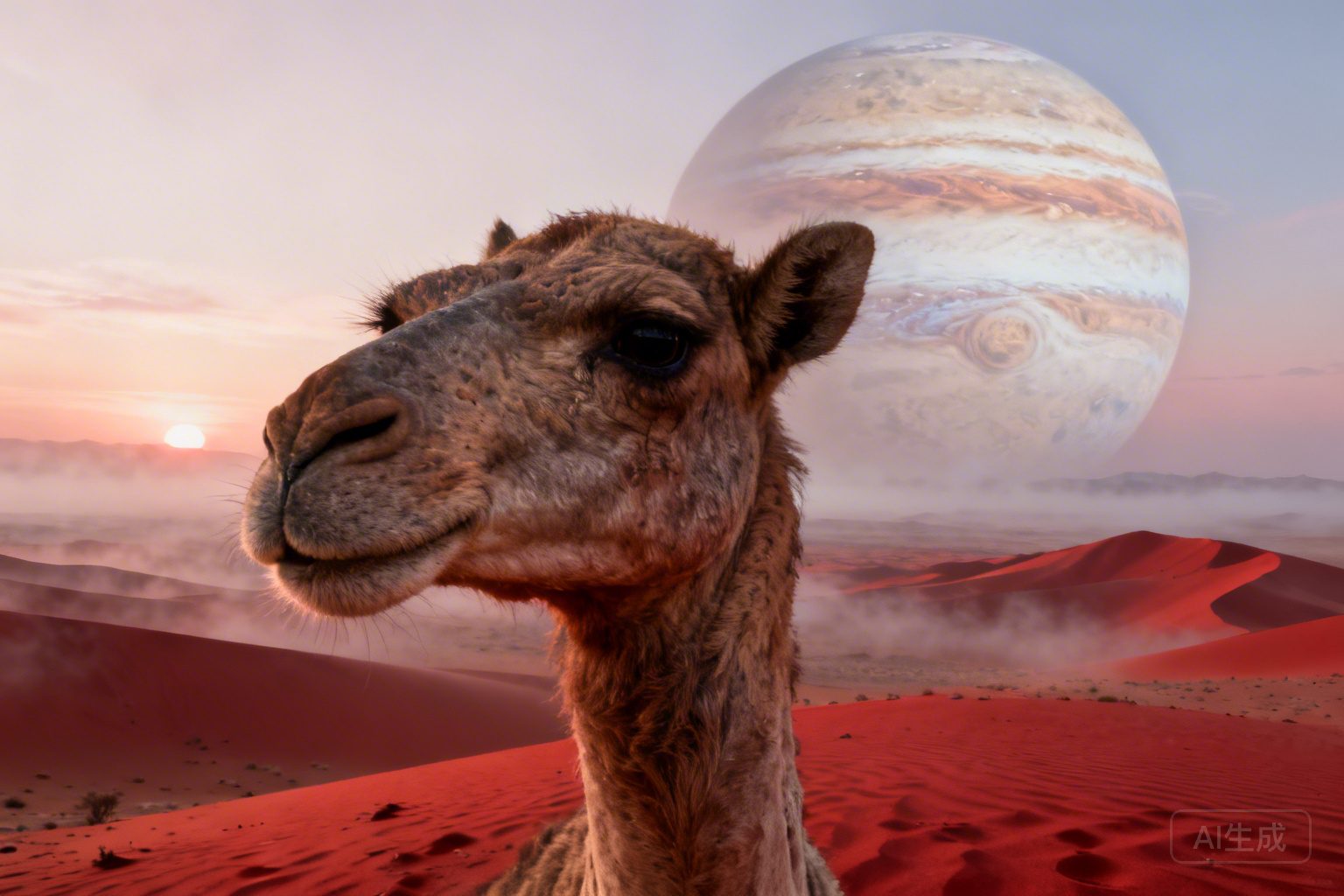
Imagine standing on a cold, rusted desert world where the sun appears half as large as it does on Earth and the sunset glows a haunting sapphire blue. Mars has captivated our collective imagination for centuries, serving as the ultimate frontier for dreamers, scientists, and sci-fi fans alike. These facts about mars planet reveal a world that is eerily familiar yet completely alien.
Why are we so obsessed with this dusty red neighbor of ours? It is because Mars represents the greatest “what if” in our entire solar system. Exploring fun facts about mars planet helps us understand not just the history of our cosmic neighborhood, but also the potential future for humanity among the stars. It is a place of massive volcanoes and deep, winding canyons.
From the towering peaks of Olympus Mons to the frozen secrets buried beneath the regolith, there is so much to uncover about the Red Planet. We have gathered the most mind-blowing facts about mars planet to explain exactly why this world looks and acts the way it does. Are you ready to take a trip across the vacuum? Let us dive into the mystery.
The Great Galactic Rust Bucket
Ever wonder why Mars looks like a giant, floating cinnamon donut in the sky? The answer is actually quite metal—literally. The surface of the Red Planet is covered in a thick layer of iron oxide, which is the exact same stuff that makes your old bicycle turn orange if you leave it out in the rain too long.
NASA scientists have confirmed that the Martian soil, or regolith, is rich in iron minerals that have weathered over billions of years. When this iron is exposed to the trace amounts of oxygen and water vapor in the atmosphere, it oxidizes. This process creates that iconic crimson hue that has earned the world its famous nickname throughout human history.
If you were to dig just a few inches below the dusty surface, you would actually find a variety of different colors, including shades of gray and tan. The “red” is really just a thin coating of cosmic dust. It is amazing how a little bit of chemistry can define the entire visual identity of a planet across the vast solar system.